The Flora and Fauna of Uluru: An Ecological Overview
Uluru, referred to as Ayers Rock, is the most renowned geographical feature in Australia. This is why it is a point of interest for scholars of other fields as well and as well in respect of Aboriginal culture. This article discusses the plant and animal organisms within the National Park and looks at how its peculiar desert climate affects these organisms within the park.
The park, which includes the enormous rock formations Uluru and Mount Olga or Kata Tjuta, is where the extreme aridity traits of plants and animals are examined and perfected in practice. The facts here are a product of the cooperation between Anangu, the Aboriginal custodians of the site, and modern science.
The Unique Ecosystem of Uluru
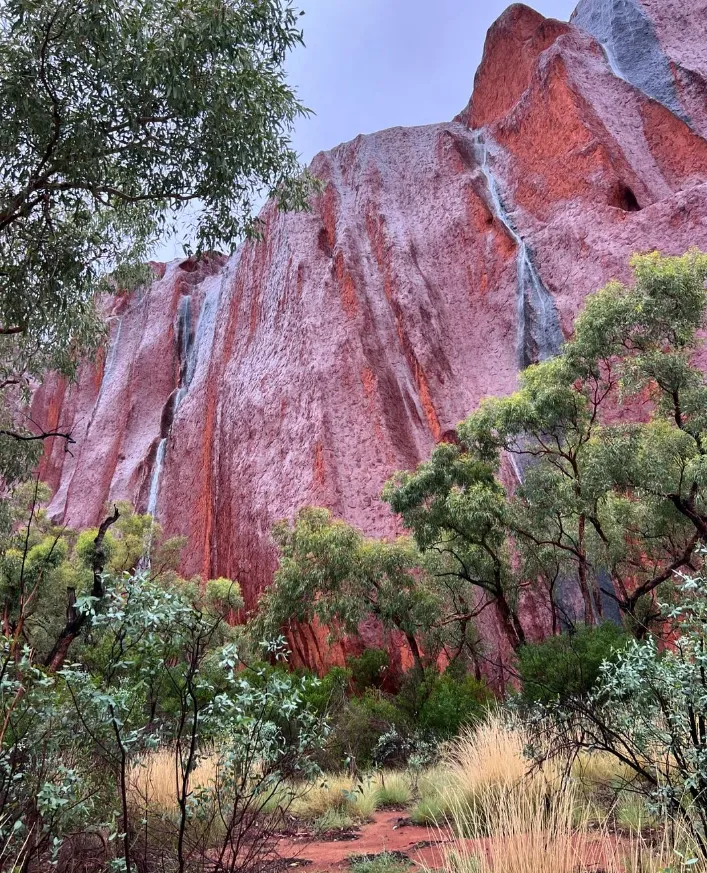
The scenic Uluru-Kata Tjuta National Park has its western and eastern parts extracted from the eastern dry piping basin, which is structurally conditioned by its geology and drought. The climate in this area features extreme temperature variation and low precipitation, all of which affect the flora and fauna found in the region. The average annual rainfall does not exceed 300 millimetres, and temperature during the day can reach over forty degrees Celsius and nearly freezing at night. Such conditions are bound to make life difficult, and therefore, most of the species within the park have developed advanced adaptations.
However, on more carefully considering outback geography, Uluru belongs to the Outer Plains in a wider sense within Australia, its large sandstone block serves as a terrain k in the flat desert. The spatial profile takes into account the number of habitat types ranging from mulga forests down to desert oak and rock ledges. Such a variety of habitats promotes the growth of many species of flora and fauna, each evolved to a particular environment. The fact that the park is situated in the Northern Territory, close to the border of Western Australia upgrades its biological importance since it is an important biome for issues related to the preservation of the desert flora and fauna.
Flora of Uluru
Vegetation Types

The flora of Uluru is mainly the adaptation to desert ways, thus containing various types of desert vegetation. Uluru’s plant life is characterised primarily by the dominant presence of desert shrubs, herbs and grasses that thrive despite the dry heat. Desert oaks (Allocasuarina decaisneana) are probably the most distinguishable plants of these regions, as they have numerous roots going down very deep into the ground where moisture is often located. An additional essential vegetation type comprises mulga woodlands dominated by drought-resistant Zanthoxylum and Acacia species.
Desert Shrubs and Herbs
Desert Pea (Swainsona formosa): This plant is characterized by bright red flowers and its preference for growing in sandy soils.
Saltbush (Atriplex spp.): Grown in very salty soils and is a staple food for animals that graze on it.
Spinifex Grasses
Triodia spp: These grasses form hard tussocks with spikes that withstand the hot and dry climatic conditions. In addition they are key in preventing the erosion of the sandy soils and in providing shelter for little creatures.
Endemic Plants

Some of the plants growing in the Uluru region are endemic in that they cannot be found in other regions of the earth. Such plants are specialized and thrive in deserts. Take, for instance, the Uluru Waddle (acacia ulundulensis), which is sometimes called a thin-leafed gum tree. It is quite robust with small, leathery leaves aided by a long tap root for drought-enduring, very deep soils. The same applies to Desert Poplar (Eucalyptus socialis), which is in an arid area with low humidity and high temperature.
The presence of these endemic species adds a unique feature to the Uluru- Kata Tjuta National Park. Such survival in hostile conditions is suggestive of the various evolutionary impacts that have been imposed on the regional flora. They are also important in the nourishment of the different animal species inhabiting the park and the provision of advanced habitats for these animals.
Adaptations for Survival
Uluru plants show various strategies for efforts to to endure extreme conditions of a dry and hot environment. One of the fundamental strategies is water saving, and here, many plants develop quite long roots that seek their nourishment from beneath the ground. Moreover, there are several species that have adapted in a way that minimizes evaporation, and this can be in the form of thick leaves or small needle-like leaves. These adaptations enable them to withstand long droughts and the prolonged heat that is surpassing the trend within the desert.
Heat dissipation is another main critical adaptation. Deseret Oak has developed heat stress management strategies such as changes in metabolism to adapt to temperature variations. Such adaptation is critical in habitats with high daytime temperatures upward of 40 degrees Celsius and very low night temperatures.
Fauna of Uluru
Mammals

Fauna of Uluru does accommodate the range of mammal species such that these fauna are well adapted to the desert environment. Red kangaroos (Macropus rufus), which are the most prominent inhabitants, thrive in this extension with the heat if the fauna types in this region are taken into consideration. These kangaroos are characterized by their remarkably low water requirements and successful hunting strategies. The dingo (Canis lupus dingo) is another mammal worth mentioning, which should be noted since it is a top predator within the surrounding winter park.
The rufous hare-wallaby (Lagorchestes hirsutus) is one of the most threatened mammals in the entire ornithologist range. There are conservation programs that are undertaken to save this small marsupial, which is endangered by the loss of its habitat and the invasion of straying animals. The existence of such mammal species emphasizes the need for conservation of the fragile conditions of the Hand of the ruler of Uluru.
Birds

Apart from mammals, the Uluru-Kata Tjuta National Park has a wealth of bird species that enhance waterfowl even further in this region. For example, such species as diseases are regularly blocked using bred scoobies (Taeniopygia guttata) for example, for their quite loud mating calls and wedge-tailed eagles (Aquila audax), Australia’s largest type of eagle-hawk. These birds show such behavioral adaptations to life in a desert like environment as seasonal migration and different types of foraging.
The location and diversity of bird resources are factors associated with the status and condition of the ecosystem within the borders of the constructed park. In order to sustain the ecological equilibrium, it is crucial to have a variety of bird species along with breast- feeding fauna such as cavity nesting.
Reptiles and Invertebrates
No one can deny that reptiles and invertebrates are more than essential for Uluru’s ecosystem. Several important reptiles are found in the park, including the perentie (Varanus giganteus), which is the largest lizard species that can be found in Australia, and the Centralian rough knob-tail gecko (Nephrurus maybe), which has a unique tail. Due to several factors, however, these reptiles have also become accustomed to the desert and have developed behaviours and physiology that allow them to survive very high temperatures.
They are an important part of the park’s ecology invertebrates such as the ants and spiders mentioned above. They are essential in various functions like tilling the soil as well as carrying out the decomposition of organic matter which helps in soil formation and plant growth.Education and awareness are uses that can be offered to the invertebrate diversity in Uluru, which is a very useful component of the ecosystem.
Ecological Impact of Fauna on Flora
Grazing Patterns and Vegetation Dynamics
Studies conducted in Uluru-Kata Tjuta National Park indicate that herbivores’ grazing patterns affect vegetation dynamics. The types and distribution of vegetation are influenced by consumption by animals such as kangaroos and rabbits. For example, an overpopulation of non-native species such as rabbits is one reason for the decrease in the number of native flora species and, subsequently, the level of biodiversity and the configuration of the flora state. It tends to set a chain reaction upon other sorts of organisms that make use of plants for nutrition and shelter.
There is an equally profound effect in the presence of native grazers like the red kangaroo. These animals assist in the competition among plant species in that they prevent the overgrowth of a specific species of plant over others. The proper interaction of all the plants ensures the sustainability of a lot of other organisms found within these plants. Within this context, the relationship between grazing patterns and vegetation dynamics, there are lessons to be learnt regarding the need to control the herbivore populations to ensure the ecological equilibrium of the park is achieved.
Soil Health and Plant Growth
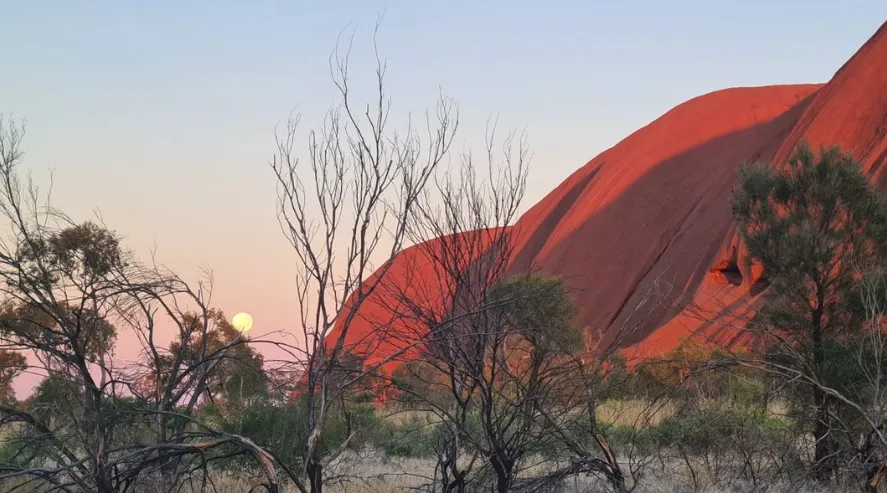
Soil health is vital in the Uluru ecosystem health. Fauna activities such as digging and feeding are important in soil aeration and in nutrient cycling. Animals that dig holes e.g., badgers do bury bulk of the soils and it raises the structure of the soil making it easier for luxury root systems of the plant to search for and extract power and moisture which encourage the growth of more plants.
Physiological processes include decomposition where organic matter, dead or alive, encompassing a variety of creatures, such as insects and fungi, are helpful to the status of the soil. Decomposers recycle nonliving portions of dead or alive plant or animal matter towards soil nutrient replenishment. Such increased nutrients will promote more sprouting of new plants hence the wide ecosystem productivity under nurturing. Soil health, therefore, can be said to be positively dependent on the interactions of biotas, including plants and animals in the parks.
Conservation Efforts
Protection Initiatives
The unique biodiversity of Uluru is one of the biological threats that concern different bodies both in Australia and abroad including Parks Australia and local conservation groups. These bodies are mandated to put into effect protection measures that are focused on conserving the ecological health of the area. Important measures include rehabilitation of the habitat, wildlife surveillance, and control of introduced species.
As a managing partner in Uluru-Kata Tjuta National Park, Parks Australia works hand-in-hand with the authorities and management of the land. These activities are directed on ensuring the preservation of natural values of the park in consideration of wildlife and human beings. Local conservation entities along with the Uluru-Kata Tjuta Board of Management work with some projects related to wildlife and conservation.
Role of Parks Australia and Local Conservation Groups
Parks Australia has cushioned Uluru-Kata Tjuta National Park in their peripheral management services. Some of the activities that Parks Australia centres on include management frameworks and plans that take into consideration the protection of animals and their habitats, the preservation of organisms, and education about the environment on local Uluru tours. Collaboration with local indigenous communities, for instance the Anangu people, has been important in incorporating traditional and cultural perspectives into the conservation work.
The participation of local conservation movements in the safeguarding of Uluru has not been less important than other concerns. Organizations like these are mostly concerned with a specific aspect of conservation, such as eradication of exotic species, rehabilitation of ecosystems, and surveillance of fauna. Their contributions are central to providing solutions to the particular problems experienced in the ecosystems of the park and also maintaining its natural resources in a stable condition.
Action Plans to Protect Flora and Fauna of Uluru

In order to protect the biodiversity of Uluru, a number of steps are taken, among them:
Settlement and management of conflicts: Initiatives focusing on the rehabilitation of disturbed sites and improving the habitat for the local species. Using bioremediation measures, ie planting an area’s indigenous species, as well as deterring foreign plant populations, to enhance the environment.
Monitoring Animal Population: Regular surveys and tracking of animal populations in terms of health and how they are distributed. Understanding the reasons for population decrease leading to undertaking population monitoring and the possible implementation of conservation actions based on the monitoring.
Invasive Species Control: Working and exterminating non-native plants and animals that would harm or undercut the native people’s populations.
Conclusion
Uluru-Kata Tjuta National Park is home to impressive instances of life that have learnt to endure and thrive even in the arid central region of Australia. There are amazing plants and animals growing in very peculiar and unforgiving deserts, which show how much the ecosystems in the park are interlinked and why there is a need for the conservation of the park and its surroundings. The cultural history of the park presents additional value from the Anangu people who inhabit the area, stressing why it is important to protect and enhance the beauty of this region.
Going forward, while we thoroughly enjoy Uluru, it is recommended that greater care be taken for the site and its resources so that they may be available for future generations. We can still aid in protecting Uluru as well as its ecosystems by supporting conservation efforts, engaging in responsible tourism practices, and educating people regarding the importance of this park.
FAQs
Which types of plants are unique to Uluru?
The Uluru Wattle ( genus Acacia, species Acacia ulundolensis ) and the Desert Poplar (Eucalyptus socialis) are other unique plants in Uluru. Such species have been well modified to suit a desert/ hot climate.
How does grazing impact the vegetation in Uluru?
Grazing by kangaroo, rabbits and other animals is likely to alter plant density and species composition with excessive grazing being able to eliminate certain population of native plants.
What are some of the challenges to the conservation of Uluru?
There are efforts in place to mitigate on the effects of these challenges, through habitat rehabilitation, wildlife management and control of invasive species.
What causes the Evergreen Forest Ecosystem of Uluru to change?
In Uluru, climate change interferes with changes in temperature and rainfall patterns, which place stress on plants and animals, change breeding cycles and increase shortages of water overtime.
What additional measures do visitors take to avoid causing too much harm to Uluru?
By utilizing the available paths, avoiding disturb the animals’ habit by feeding them, and adhering to park rules , visitors minimize their impact.