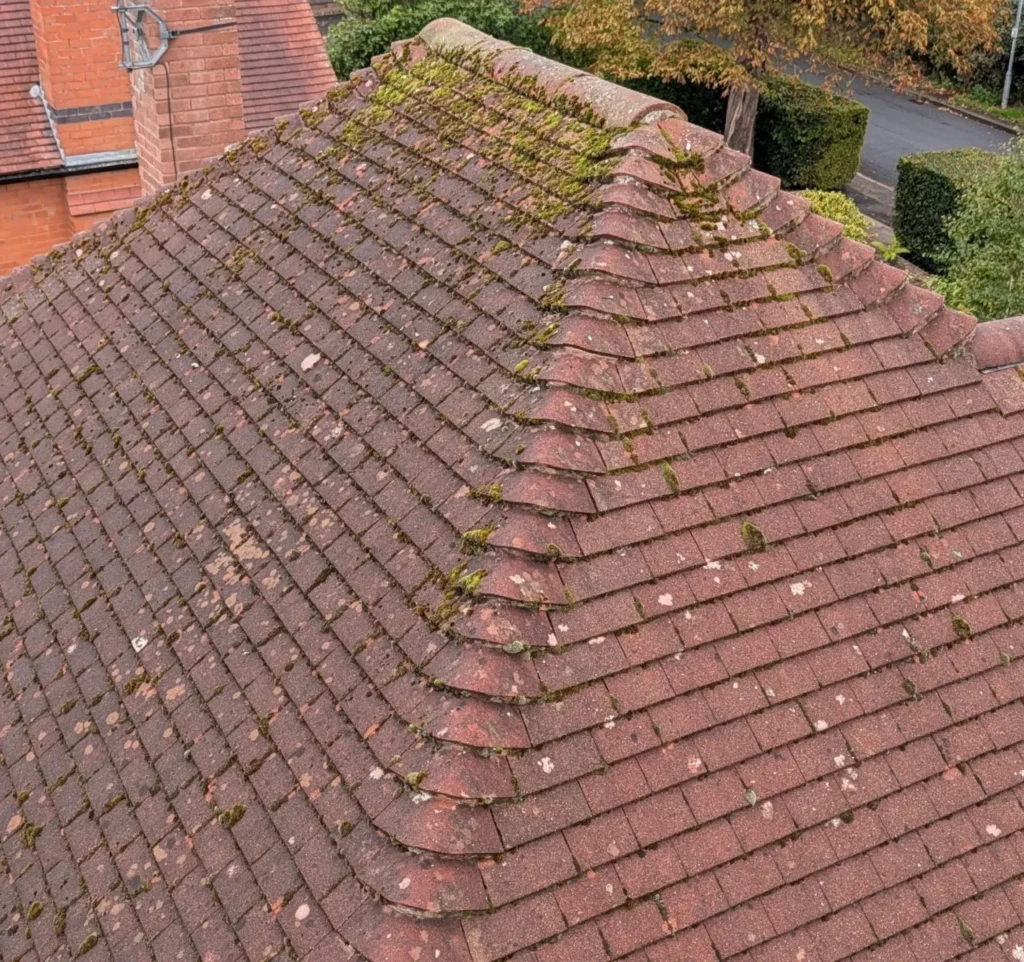
Most homeowners don’t notice anything’s wrong until a roof leak starts dripping through the plasterboard. That’s why knowing how to know if a roof is bad can save you thousands in roof repairs — and the stress that comes with water damage.
Most roofing problems start small — invisible to the eye — until water intrusion and mould growth make it obvious.
Spotting The Early Signs Of Damage
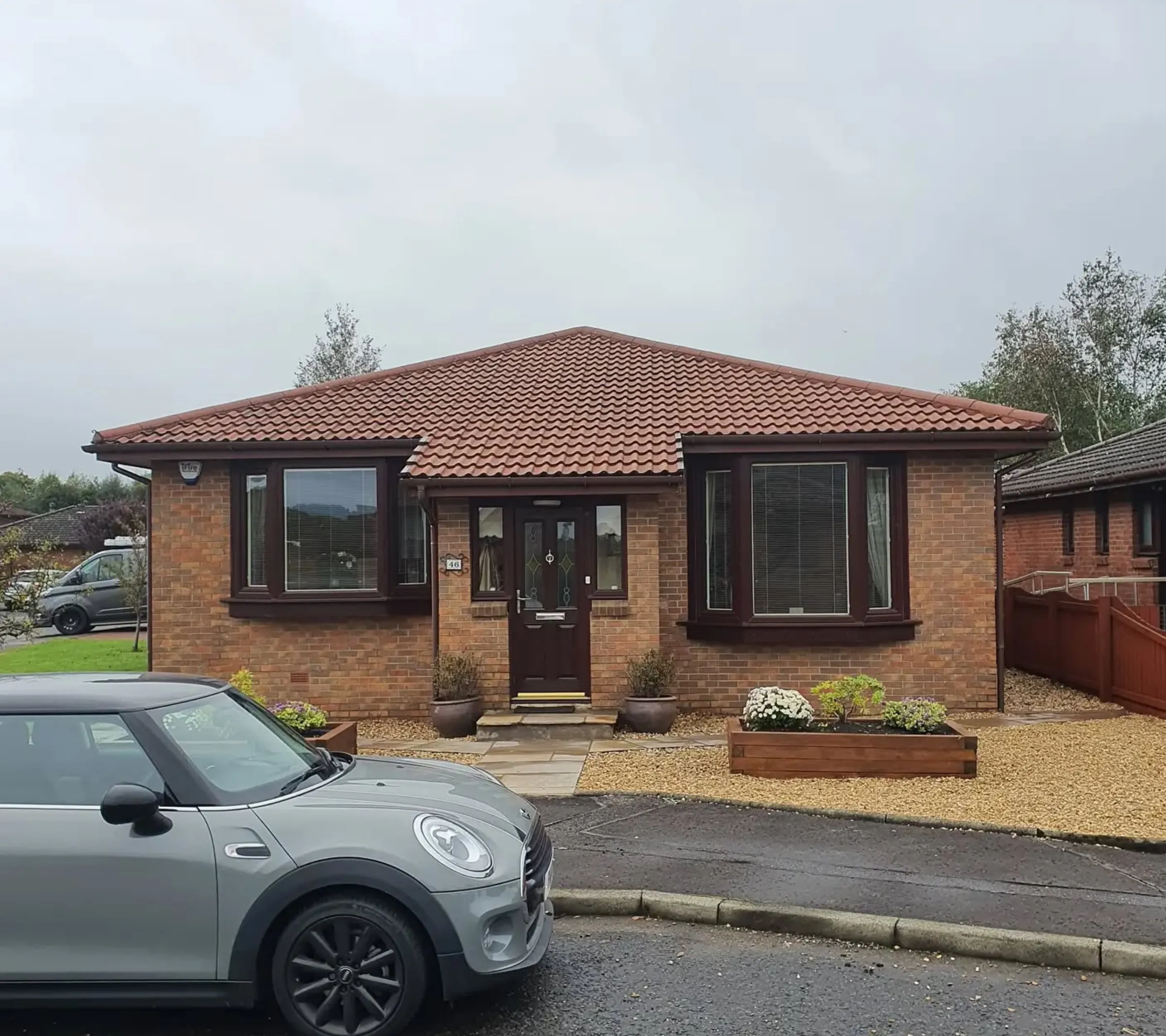
A bad roof never fails overnight. It weakens over months — or years — from exposure, neglect or poor installation. Here’s what to look for before your ceiling turns into a waterfall.
- Water stains or peeling paint on ceilings and walls
- Cracked or missing roof tiles or damaged shingles
- Rust or corrosion on metal sheets or roof flashing
- Clogged gutters or water pooling after storms
- Moss growth or green algae in shaded areas
- Sagging roof decking or soft patches underfoot
We’ve done roof inspections in homes where the ceiling looked spotless, but the roof space was soaked with hidden moisture damage — a classic sign of early roof deterioration.
Top Causes of Home Damage
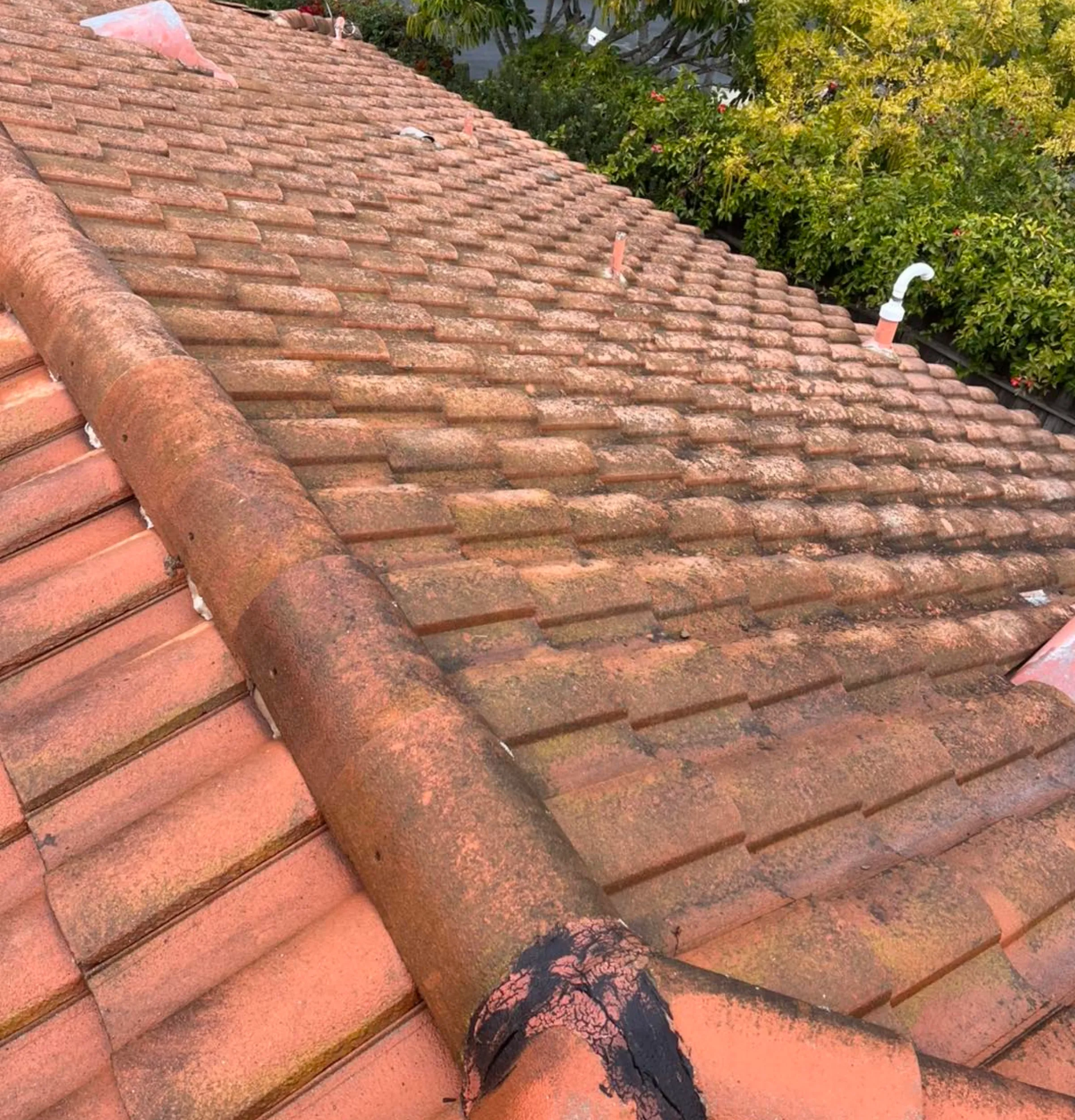
Australia’s conditions are tough on roofs — especially in Melbourne, where the weather flips between scorching UV and sideways rain. Let’s break down the usual suspects behind roofing damage.
Harsh Weather And Old Age
Strong winds, hail and long exposure to UV rays slowly erode your roof’s structural integrity. Over time, metal coatings fade, roof tiles crack, and sealants break down. Even step flashing and kick-out flashing can loosen, creating pathways for water ingress.
Water Penetration And Poor Drainage
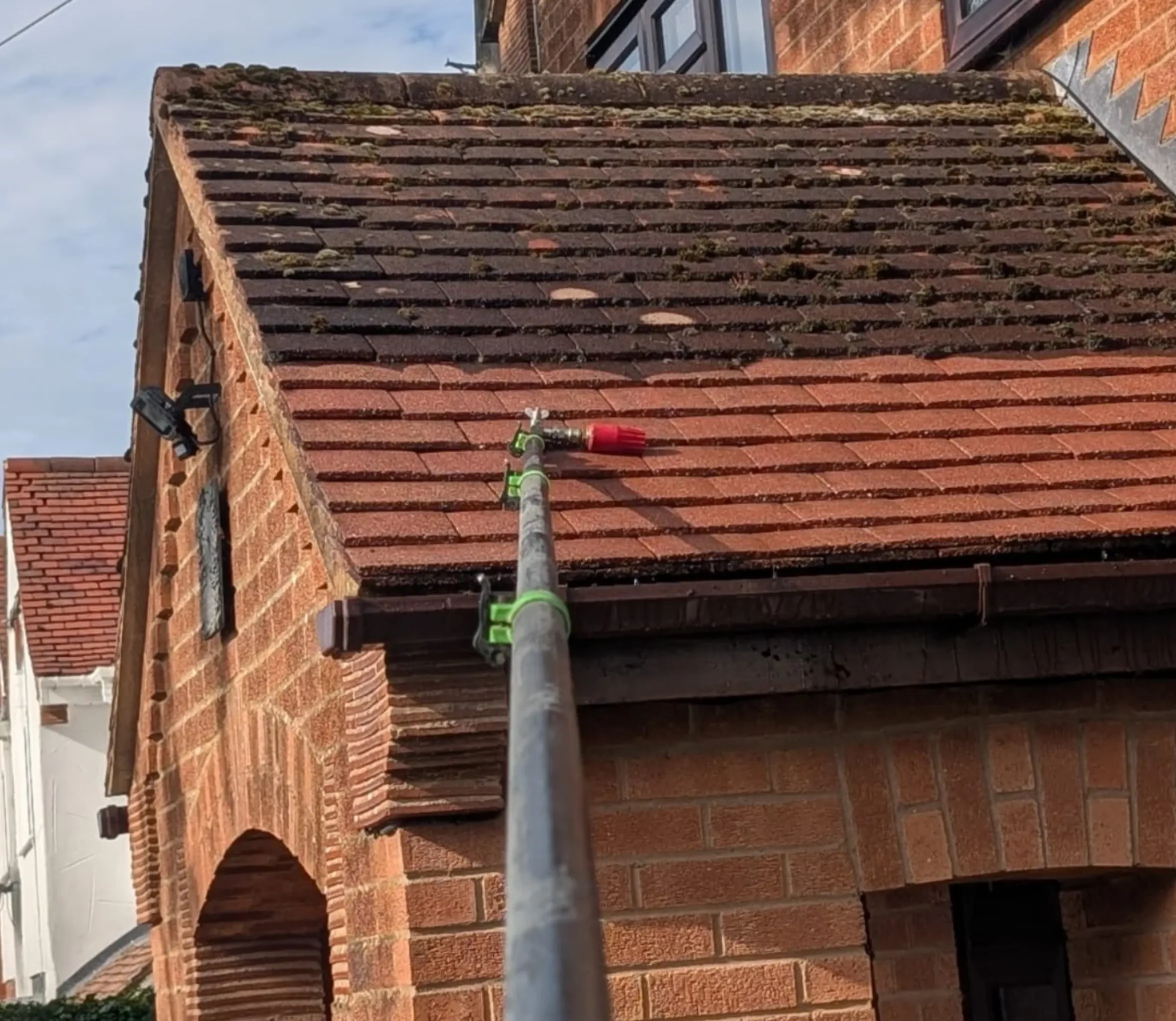
Water intrusion is one of the most destructive forces for any roof. It seeps into joints, softens timber framing and leads to wood rot or mould & mildew. Clogged gutters only make it worse — forcing rainwater under roof flashing or into wall cavities.
Regular gutter maintenance and gutter replacement (when needed) are key parts of home maintenance that protect against this.
Poor Installation And Fittings
Even a new roof can fail if roof fittings, vent pipes or roof vents aren’t properly sealed. We’ve seen brand new roof units leak because the rubber boots or plastic bases around vent pipes weren’t watertight. One heavy downpour later — instant ceiling water leak.
No Roof Maintenance
Not doing regular checks is like ignoring an oil light in your ute. Roof maintenance once or twice a year keeps small issues from becoming big roof restoration jobs. A quick roof inspection after storm season can save you a full roof replacement later.
Quick Visual Checklist For Roof Condition
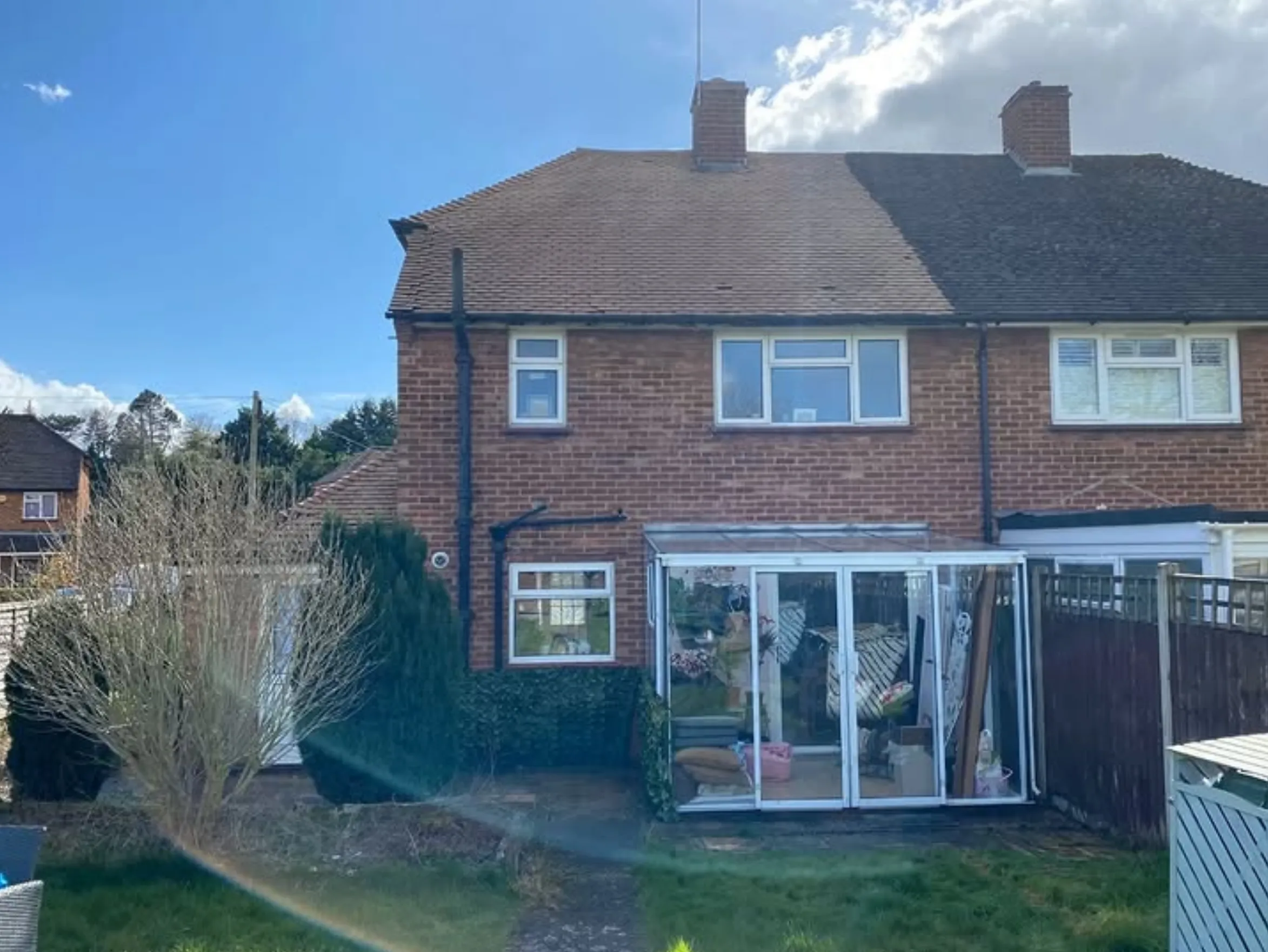
Here’s a basic table we use during inspections — handy for spotting early roof damage at home.
| Roof Condition | Visible Signs | Action Needed |
|---|---|---|
| Good | Clean surface, solid flashing, no leaks | Routine maintenance checks |
| Minor Wear | Small rust spots, faded coating, moss | Schedule cleaning and sealant recoat |
| Moderate Damage | Water spots, cracked tiles, loose flashing | Arrange roof leak repair or patchwork |
| Severe Damage | Water ingress, sagging roof decking, rot | Consider full roof restoration or replacement |
According to the Housing Industry Association, over 40% of roof repairs in Australia are due to ignored minor wear that turned into serious leaks.
Local Factors That Cause Home Damage
Melbourne’s weather plays a big role in roof deterioration.
- Salt levels near the bay corrode metal roofing
- Tree debris blocks gutters and causes water ingress
- Sudden temperature drops make sealants shrink and crack
Homes near the coast (Brighton, Seaford, Altona) need roof maintenance more often than those inland. That’s why regular Melbourne roof cleaning is one of the smartest things you can do. Keeping the surface clean helps you spot early rust or cracked tiles long before leaks appear.
How Roofing Materials Affect Damage Patterns
Different roofing materials show wear in different ways. Here’s what to look out for depending on what’s above.
Colorbond And Metal Roofing
Durable but prone to rust spots, fading and thermal movement.
Look for:
- Exposed metal under scratched paint
- Corrosion around screws or joints
- “Oil canning” (wavy panels caused by heat)
If you’re going to clean a Colorbond roof in Melbourne, always use soft washing. A pressure washer on full blast can damage the protective coating and cause galvanic corrosion.
Terracotta And Concrete Tiles
Strong in heat, weak against movement.
Signs include:
- Cracked or curling tiles
- Missing mortar between ridge caps
- Water trickling under tiles after heavy rain
Damaged Terracotta tiles need to be replaced ASAP as they absorb moisture and cause mould growth and water ingress.
Shingles And Composite Roofs
Less common in Australia, but some older homes still have roof shingles. Look for curling shingles or ones lifting around edges — a classic sign of the roof’s ageing and water penetration.
Why Professional Inspection Matters
A professional roof inspection goes deeper than a visual check. Trained inspectors look for:
- Signs of water ingress under the sarking
- Rusted or missing kick-out flashing
- Damaged plumbing vent boots or metal bases
- Poor roof ventilation and trapped moisture in the roof space
They may even use moisture meters or thermal cameras to find hidden leaks before they show up as water stains inside.
At Window Cleaning Melbourne Crew, we’ve inspected everything from rusty metal roofs in Point Cook to Terracotta tiles cracked clean through in the Dandenongs. The truth? Most roofing problems start small — invisible to the eye — until water intrusion and mould growth make it obvious.
Neglect Now, Pay Later
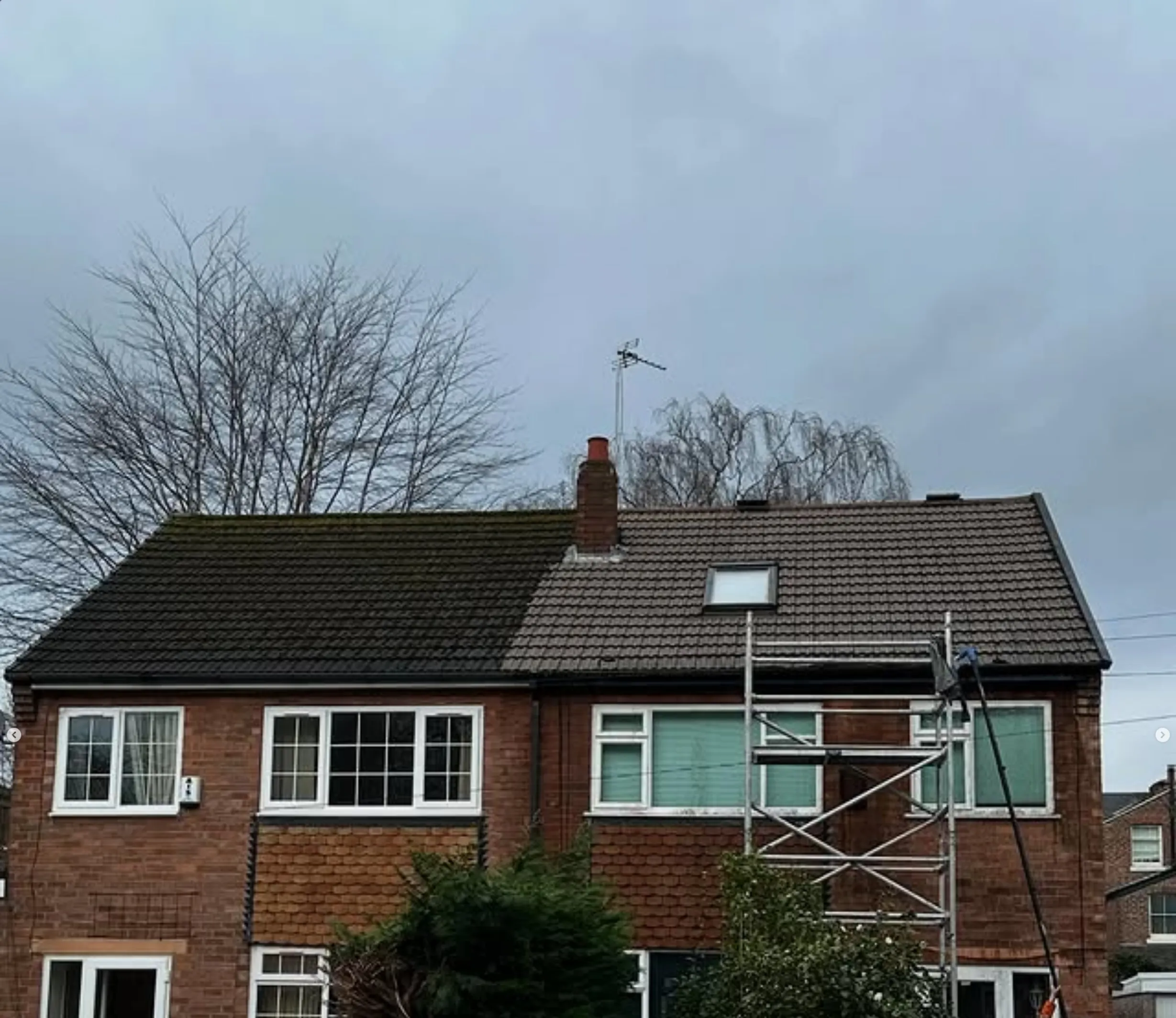
Postponing roof repairs doesn’t save money — it multiplies costs. Small leaks quickly turn into major structural damage.
| Neglected Issue | Resulting Problem | Repair Cost (AUD) |
|---|---|---|
| Minor rust spots | Widespread corrosion | $800–$1,500 |
| Cracked tiles | Water penetration, plaster damage | $2,000–$4,000 |
| Loose flashing | Wood rot, insulation damage | $3,000–$5,000 |
| Hidden leaks | Full roof replacement | $10,000+ |
We’ve seen plenty of “it’s fine” roofs end up as insurance claims after heavy rain. A $400 clean or minor roof leak repair now can prevent a $10k rebuild later.
Regular Maintenance And Cleaning
Regular care is key to your roof’s life. Here’s what we recommend for Melbourne homes:
- Roof cleaning every 12–18 months to remove moss and salt build-up
- Gutter maintenance before and after storm season
- Replace worn flashing or sealant during repairs
- Clear debris around roof vents and plastic air chutes to keep airflow strong
We always say: a clean roof is a strong roof. Dirt traps moisture, and moisture leads to rot, rust and roof repair bills.
FAQ
What’s the first sign my roof is going bad?
Look for water stains, cracked roof tiles or damp smells in your ceiling space. They often appear before leaks do.
How often should I get a roof inspection in Melbourne?
At least once a year, or after major storms. A roof inspection identifies hidden roof damage and stops water ingress early.
Can clogged gutters damage my roof?
Yes. Clogged gutters cause water to penetrate under tiles and flashing, leading to wood rot and mould growth.
When should I consider roof replacement?
If your roof’s over 30 years old, leaking regularly or showing structural damage, it’s time for roof replacement rather than patching.
Does roof cleaning really prevent leaks?
Yes — cleaning removes moss, dirt and salt that holds moisture and causes water entry. A clean Colorbond roof in Melbourne lasts much longer.