Essential Skills and Techniques Taught in Cosmetic Tattoo Courses
Cosmetic tattooing is a hot and growing area of the beauty industry. Whether you’re new to the industry or an experienced beauty therapist looking to add to your services, you need to do a full cosmetic tattooing course to upskill. These courses cover everything from colour theory to advanced techniques like Powder Brow and eyeliner tattooing so you can become a qualified cosmetic tattoo artist. Let’s get into the key skills and techniques every cosmetic tattooist should learn to build a career in this ever changing industry.
Introduction to Cosmetic Tattooing
Every cosmetic tattoo course starts with a solid theoretical foundation. We cover the history of permanent makeup, the evolution of tools, how pigments work on different skin tones and more. Instructors introduce students to the cosmetic tattoo machine, pigment formulations and tattoo course training providers that shape the industry today. So you can start with a good understanding of what cosmetic tattooing is and how it fits into beauty routines and salon services.
As cosmetic tattooing grows in popularity many courses now offer online training modules so you can learn flexibly. These training materials include videos, demonstrations and interactive assessments to complement hands on training. Some training providers also offer mentorship programs with world leading artists so you can learn from the best in the cosmetic tattoo artistry industry.
Skin Anatomy and Skin Types
Being a cosmetic tattooist means understanding the science of the skin. Courses cover in-depth skin anatomy, the science of skin tones and skin undertones and how different skin types (including darker skin) react to tattooing. This knowledge helps artists choose the right pigment and technique for each client so you can get better colour retention and client satisfaction. Whether you’re working with artificial skin during training or real clients, understanding skin biology is key to delivering high quality cosmetic tattoo services.
Colour Theory and Pigment Selection
Colour theory is key to getting it right in cosmetic tattooing. Whether you’re doing ombre brows, Powder Brow or lip liner tattoos, choosing the right pigment is critical to match the client’s skin undertones. In cosmetic tattoo courses students are taught how to blend colours, correct pigment choices and avoid common mistakes like colour correction.
Knowing how to get the right colour outcome is important when dealing with clients of different skin tones. For example, darker skin may require different pigment formulations to avoid fading or ashy results. This part of cosmetic tattoo artistry takes practice and precision as the right colour pigment can make the difference between a happy client and an unhappy one.
Eyebrow Tattooing Techniques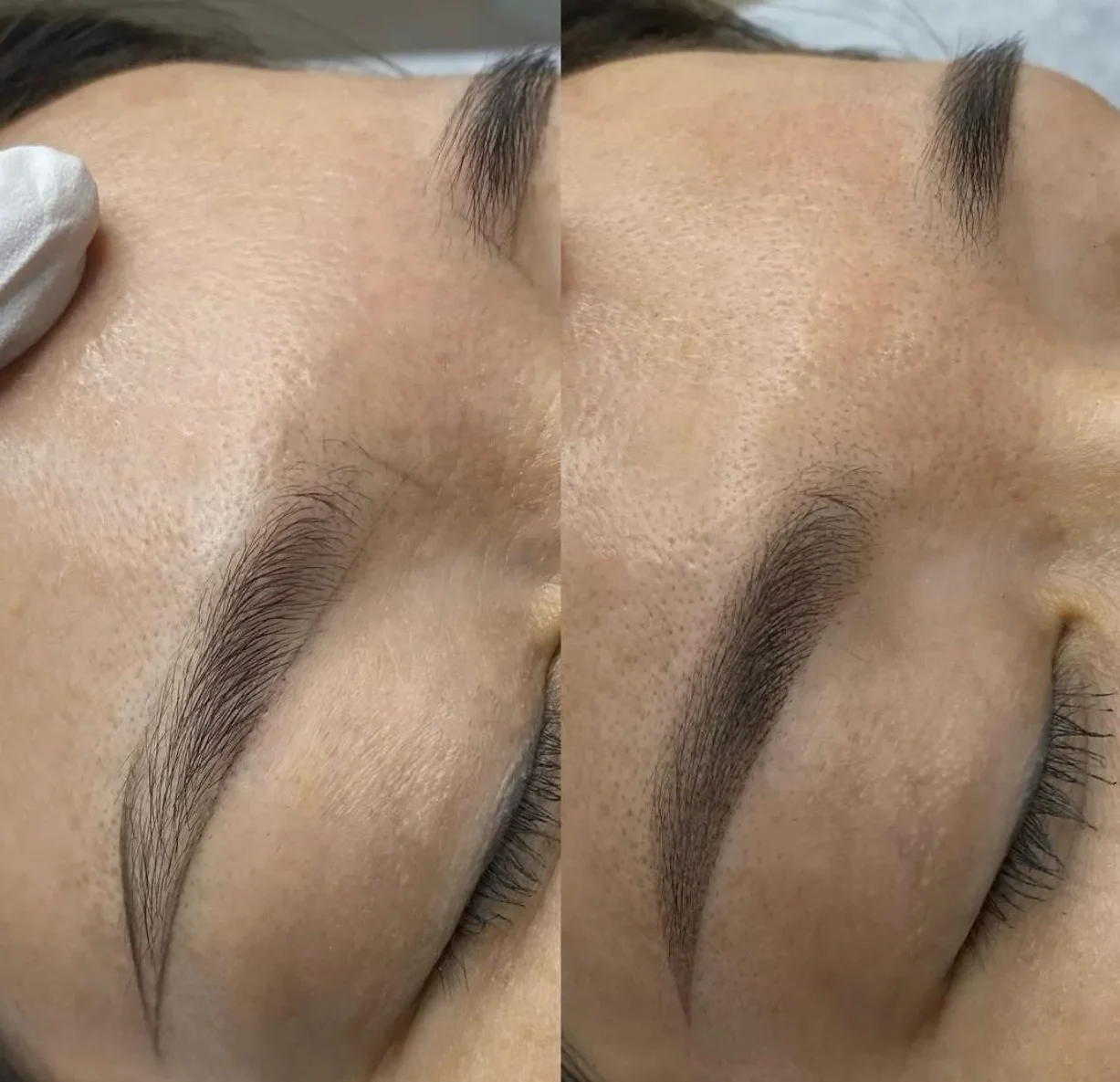
Eyebrow tattooing has taken off and 3D feather hair strokes, Powder Brow and ombre brows are client favourites. Tattoo course trainers teach students how to map out the brows according to the clients face shape, to get symmetrical natural looking results. Learning to use the right tool for hair strokes is key to getting the realistic look clients want.
Whether you’re working with beginner brows or more advanced requests, knowing how to choose the right technique for the clients skin tone is essential. It’s not just about getting the perfect brow but also about the longevity of the pigment and suitability for the clients skin type.
Microblading vs Machine Techniques
Courses compare microblading with machine techniques so students can learn when to use each. Microblading is for natural looking hair strokes, machine is for shading and filling. A skilled cosmetic tattoo artist knows how to assess the client and choose the right approach to enhance the clients natural features.
Lip Tattooing and Lip Liner Techniques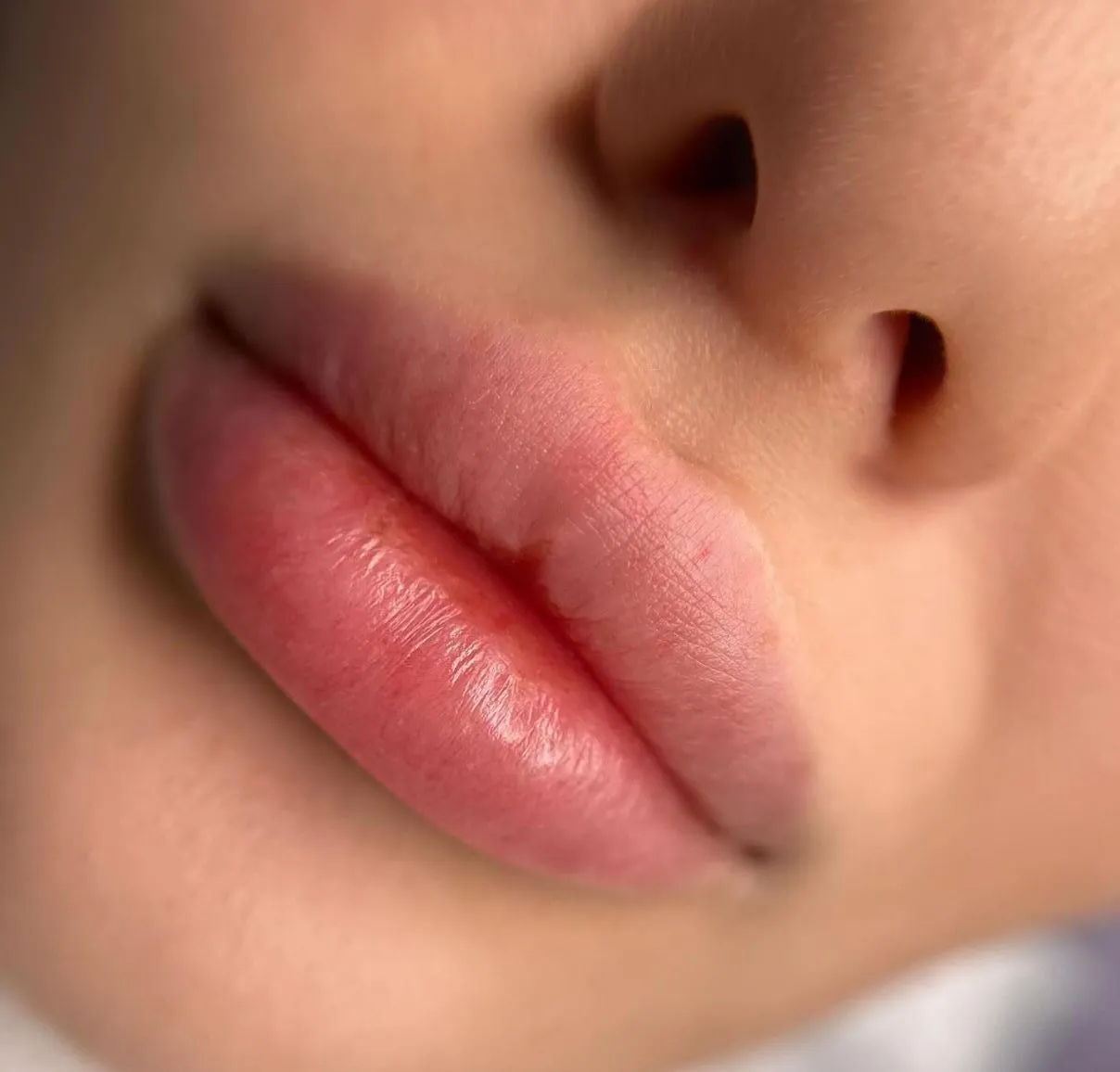
Lip tattoos are on the rise, courses cover lip liner tattoos and full lip blush techniques. Whether clients want subtle lip definition or a bolder fuller lip, artists learn how to get amazing results through proper shading and pigment selection. Hands on training teaches how to avoid common mistakes like uneven pigment distribution so clients leave with a perfect result.
Eyeliner Tattooing and Lash Enhancements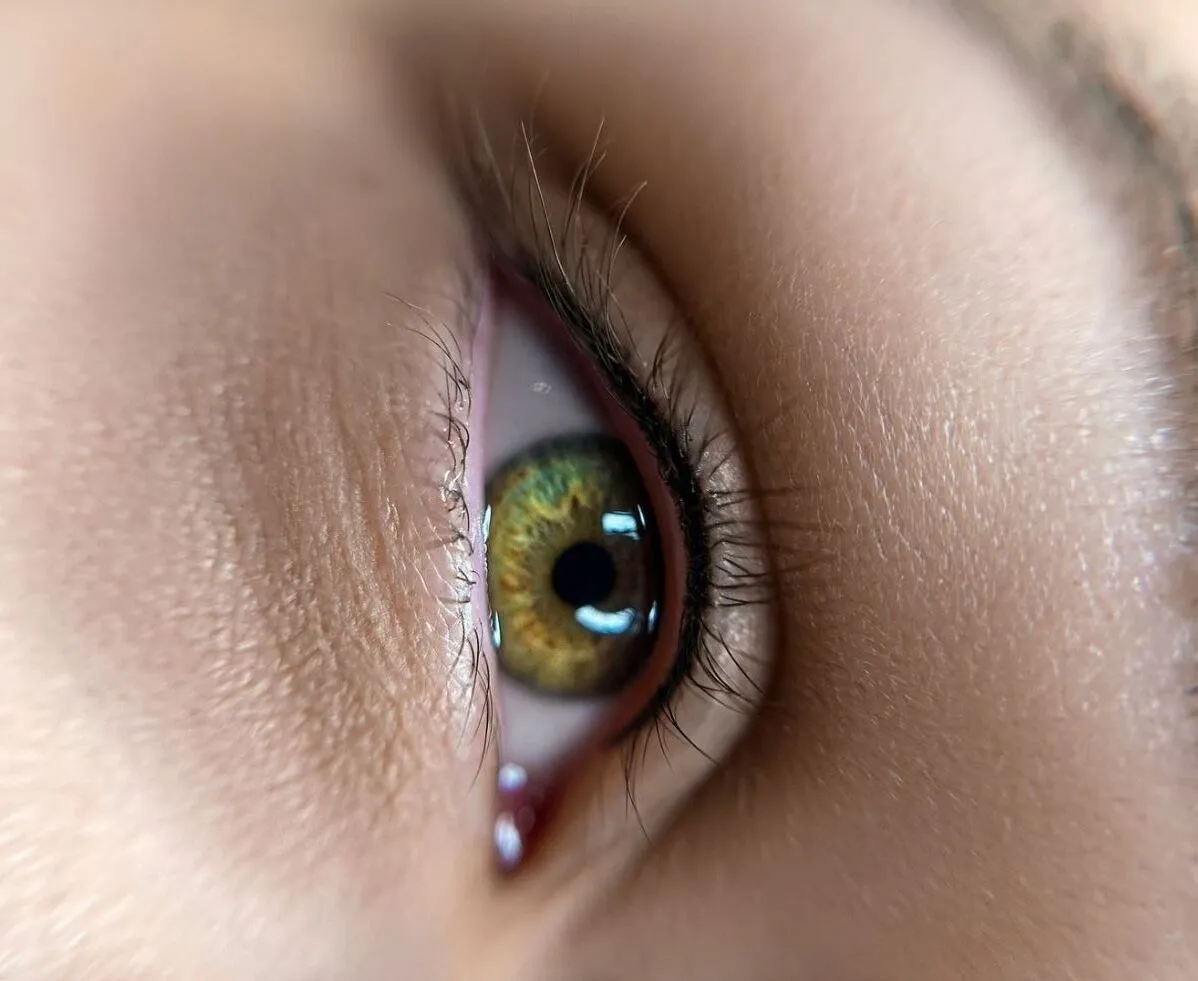
Eyeliner tattooing requires skill and precision. Courses teach students how to do various eyeliner styles, from subtle lash line enhancements to bold winged eyeliner. Client comfort is key here, students learn pain management techniques and how to use numbing agents to minimize discomfort. Training also covers how to adapt styles to different eye shapes so every client gets a bespoke result.
Lash Line Enhancement
In addition to full eyeliner tattoos, courses also cover lash line enhancement, a technique that adds subtle pigment to the lash line to create the illusion of fuller thicker lashes. This is popular with clients who want a more natural, makeup free look. Understanding skin undertones and making sure the pigment matches the clients features is key to a natural finish.
Client Consultation and Expectations
Being a good cosmetic tattooist is not just about technical skills it’s about understanding the client and delivering great service. Courses teach client consultation techniques, active listening and managing client expectations for the desired outcome. Clear communication, client consent and thorough client notes for a great client experience. Setting the right expectations = higher client satisfaction and a loyal client base.
Infection Control and Safety Protocols
Health and safety is paramount in the cosmetic tattoo industry. Courses cover full infection control measures, how to prevent infections and how to handle blood to blood contact. Understanding sterilisation techniques, using the right needle size and managing body fluids for the artist and client to be safe. Many courses offer Infection Prevention certification which is essential for professional development.
Bloodborne Pathogens
Most cosmetic tattoo courses include bloodborne pathogens training, a legal requirement in many areas. This teaches artists how to handle tools and equipment safely to prevent cross contamination and infections. Proper safety and hygiene is key to protecting clients and your salon services.
Business Skills and Marketing Strategies
Many courses go beyond artistry, teaching the business side of running a beauty business. From business planning to payment plans, students are given the tools to set up and grow a successful cosmetic tattoo career. You’ll also learn how to build a website, manage an online shop and develop a marketing strategy to attract clients.
Client Consultation and Aftercare
Aftercare advice and how to get clients to follow through with aftercare. Whether it’s recommending aftercare products or addressing client medical concerns the focus is on keeping the tattoo long and the client happy. Client feedback is key to improving services and courses teach how to follow up and address any issues.
Professional Development and Certification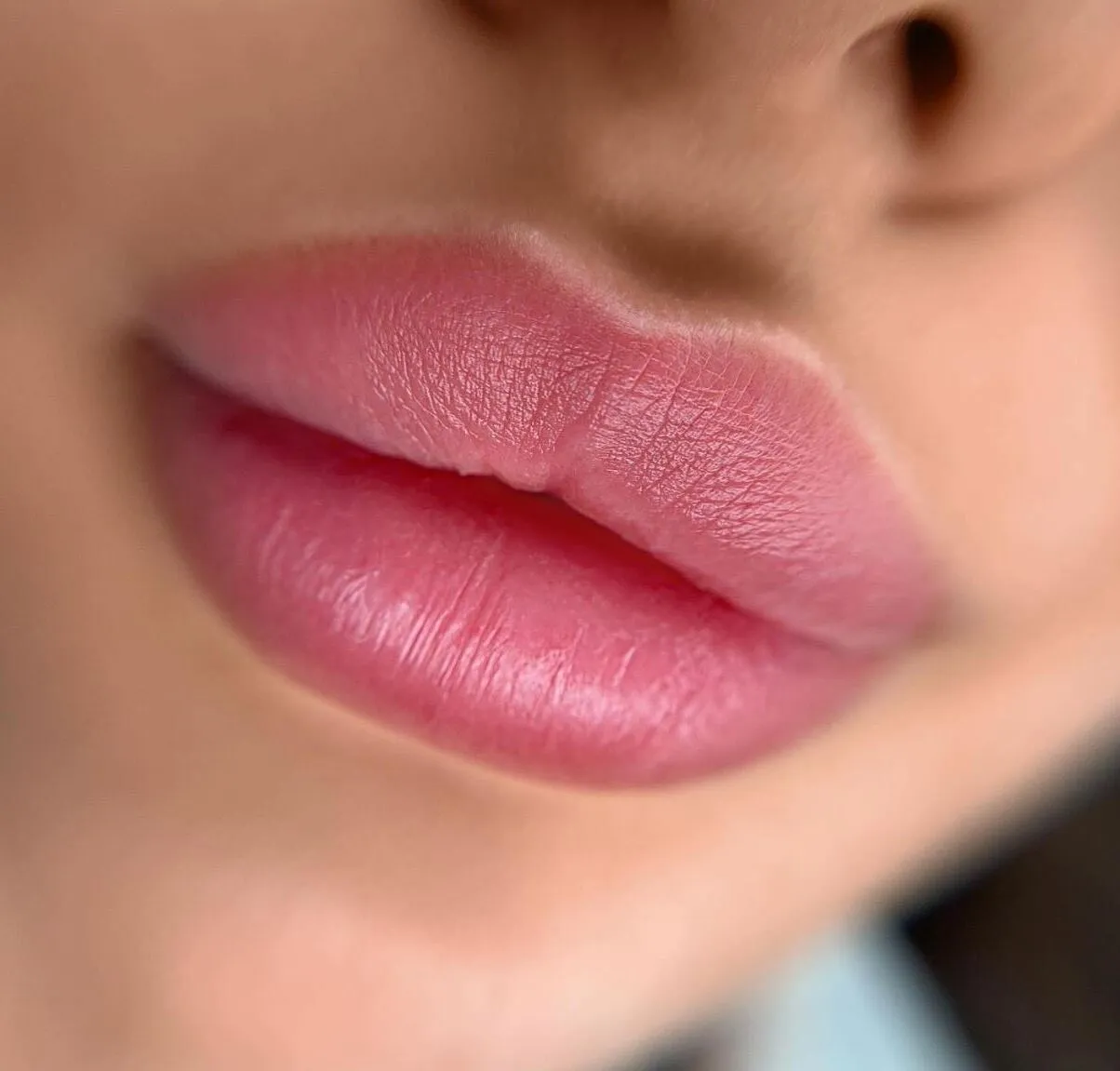
After completing a cosmetic tattoo course you will receive a certificate of competence or certificate of completion depending on the training provider. This will formalise your skills and can be used to get insurance. Continuous learning through mentorship programs, attending workshops and taking advanced techniques classes will keep you ahead of the game in the beauty industry.
Conclusion
A career in cosmetic tattooing opens up so many opportunities for creativity and business growth. Through comprehensive training you will gain the knowledge, skills and certifications to become a skilled cosmetic tattoo artist. By mastering many techniques from ombre brows to lip tattoos and learning the business side of the trade you will be able to offer top quality cosmetic tattoo services. With the right training, passion and ongoing professional development you can build a successful career in this growing industry.
FAQs
How long does a cosmetic tattoo course take?
Courses vary but most are 5 to 10 days for basic training. Advanced techniques and certifications take longer.
Why is it important to understand skin tones in cosmetic tattooing?
Understanding skin tones and skin undertones is key to choosing the right pigment and technique for a natural and long lasting result.
Are cosmetic tattooing courses for beginners?
Yes, most courses offer beginner brows and basic training, theory and hands on practice to build a foundation.
What aftercare do clients need to follow after a cosmetic tattoo?
Clients need to follow aftercare instructions which includes no water, use recommended aftercare products and protect the area from sun.
Do cosmetic tattoo courses cover business skills?
Yes, many courses include business skills training such as marketing, client consultation and how to offer payment plans to get more clients.