
Ever wondered what’s really going on with Colorbond Roofs in Melbourne‘s crazy mix of blistering sun, salt-laden coastal air, and stormy chaos? You’re not alone – we’ve been up more metal rooftops than we can count over the years, and we’ve seen some pretty stark problems – like paint going off, or corrosion sneaking in under the ridge caps. Colorbond Roofs might be tough as nails, but even the best metal roofing systems have their weak points when facing Australia’s brutal weather conditions year after year.
Colorbond steel – that’s some seriously smart stuff – it’s lightweight, corrosion-proof, can be recycled, and it looks good enough to match just about any colour scheme. But after years of cleaning roofs, patching them up and doing restorations, we’ve seen the same issues popping up time and again. So, let’s get down to the nitty-gritty – what are the biggest problems, why they happen, and how keeping on top of maintenance can save you from a premature roof replacement.
What Australian Weather Really Does To Roofs
Australian weather doesn’t mess about – between Melbourne’s sizzling summers, soggy winters, and the odd storm that makes you wonder if your roof is about to take off, even Colorbond Steel Roofs get put through a wringer.
Those big swings in temperature cause the metal roofing panels to flex and expand. In the long run, the screws that hold it all together start to loosen, while the paint or sealant starts to break down. Add UV exposure and airborne salt to the mix, and even the best protective coating starts to get worn thin.
That’s why so many locals call us to clean Colorbond roof in Melbourne suburbs — not just for looks, but to protect their investment from the city’s unpredictable weather patterns.
Top Roofing Issues We See Every Day
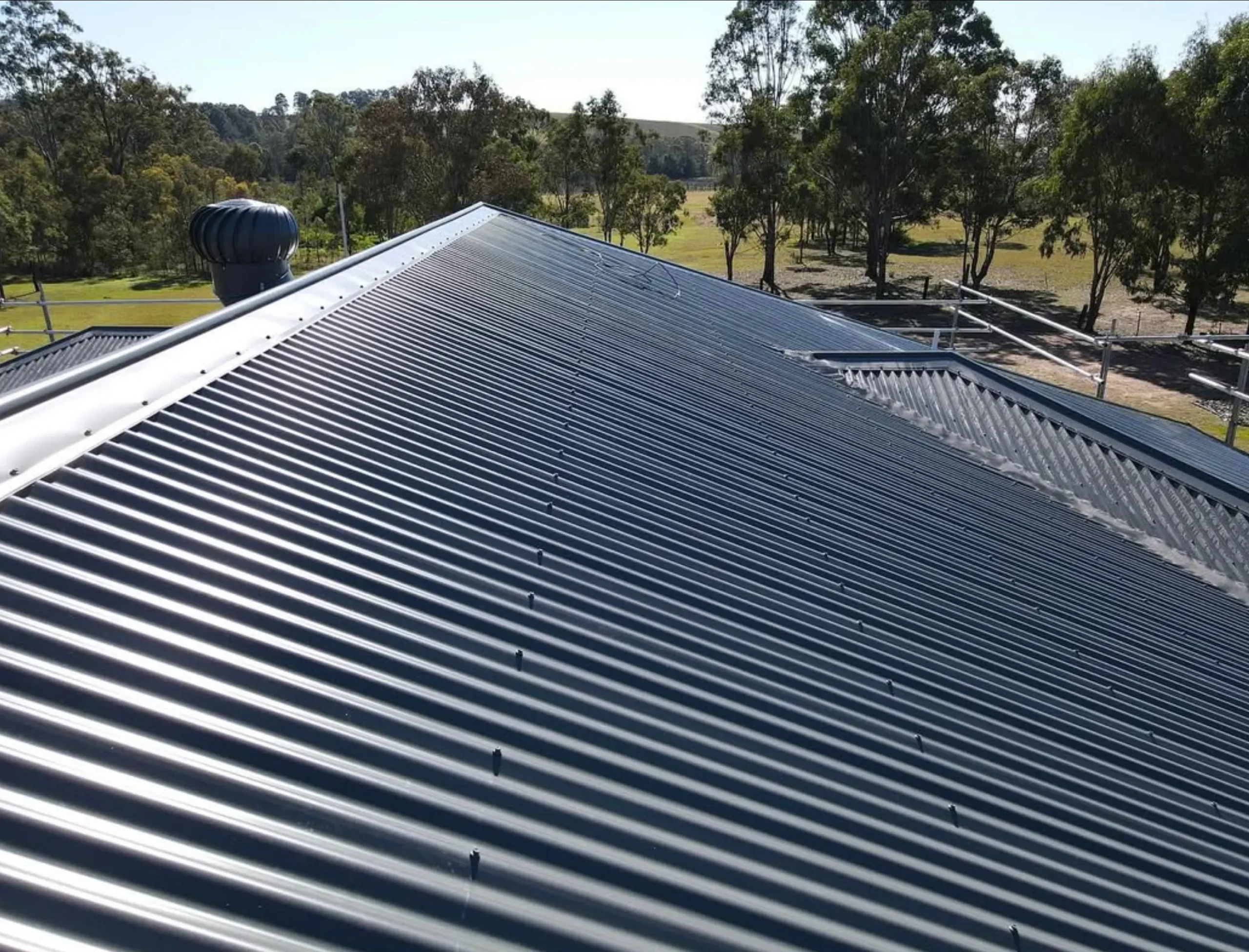
Here’s what the Window Cleaning Melbourne Crew finds most often on metal roofs across the suburbs and coastlines:
| Problem Type | Main Cause | Typical Signs | How We Fix Or Prevent It |
|---|---|---|---|
| Fading or Chalking | UV rays and oxidation | Dull surface, powdery feel | Gentle soft wash, apply UV-stable coating |
| Rust Spots | Salt, trapped moisture | Brown or red stains | Rust neutraliser, repaint with corrosion-resistant metallic coating |
| Loose Fasteners | Thermal movement | Rattling noise, leaks | Replace or reseal with compliant fasteners |
| Moss and Lichen | Damp debris, clogged gutters | Green or white growth | Soft wash and eco-safe detergent |
| Leaks at Flashings | Sealant wear, roof movement | Ceiling stains, drips | Reseal or replace flashing with Australian Standards materials |
These might seem like small problems, but small issues can lead to big roof leak damage and expensive roof restoration jobs down the line.
Fading Paint And The Science Behind It

Colorbond roofs are known for their bright colours — until they’re not. Over time, UV exposure breaks down pigments and pre-treatment and primer layers. North-facing slopes fade the fastest, and darker colours chalk the quickest.
Modern Colorbond steel has improved UV resistance compared to older coatings, but that doesn’t mean it’s immune. Dust, grime, and air pollution accelerate the process by acting like fine sandpaper on the paint surface.
A regular soft wash with gentle cleaning methods helps keep the paint layer intact. We also recommend checking your roof sheets every 12-18 months — prevention beats repainting.
Rust: The Sneaky Enemy
The word “rust” strikes fear into any homeowner with steel roofs. Colorbond’s corrosion-resistant metallic coating gives it a big advantage, but once that coating’s breached, corrosion will creep in.
We often find rust forming around screws and fasteners, especially if cheap hardware was used or the heads weren’t sealed properly. Poor drainage or clogged gutters trap water against the edges of roof sheets, leading to galvanic corrosion — a chemical reaction between dissimilar metals in damp conditions.
Regular gutter cleaning and soft washing reduce the salt and grime that trigger these reactions. And if you see bubbling paint or orange discolouration, it’s time for a professional inspection before things get worse.
Fasteners, Seals, And Thermal Movement

Every metal roofing system expands and contracts as temperatures change. That constant flexing stresses fasteners and sealants. Cheap or incorrectly installed screws can back out or snap, allowing water to get into the support structure or roof framing.
Once moisture gets into insulation tape or roof vent flashing, you’re on borrowed time before mould and internal damage follow. That’s why professional roofing contractors always use compliant fasteners, washers and sealants rated for Australian Standards.
A minor re-seal or fastener replacement every few years keeps the system tight — and saves you from a costly re-roofing project later.
Moss, Lichen, And Organic Growth

You’d be surprised how often we see moss growing on metal roofing panels. Shaded areas, especially near eaves and valleys, hold moisture long enough for organic matter to settle in.
Moss, mould and lichen don’t just look bad — they trap moisture against the roof surface, wearing away coatings and even lifting paint. On terracotta tiles, it’s mainly cosmetic, but on Colorbond roofing, it can expose bare metal to corrosion.
Our soft wash cleaning methods use biodegradable detergents that safely remove organic build-up without harming your roof’s finish. No pressure washer required — just the right mix of chemistry and experience.
Regular Maintenance: Why It Pays Off
Let’s get down to business. According to the Australian Bureau of Statistics, for example, most Colorbond roofs have an average lifespan of 25-40 years when properly maintained, whereas those that get neglected are lucky to last 15 to 20 years – especially when you live by the coast.
Add up the costs associated with repainting, sealing, or having to replace the whole roof, and it makes perfect sense that regular cleaning is basically a cheap insurance policy. Time and time again, we inspect a neglected roof and we’re always amazed at how much preventable damage we find – rust spots, for instance, or cracked sealant, or even blocked downpipes.
Having a simple cleaning routine – like soft washing every 12-18 months, and replacing the gutters every decade if necessary – can easily double the life span of your roof.
The Power of Proper Cleaning
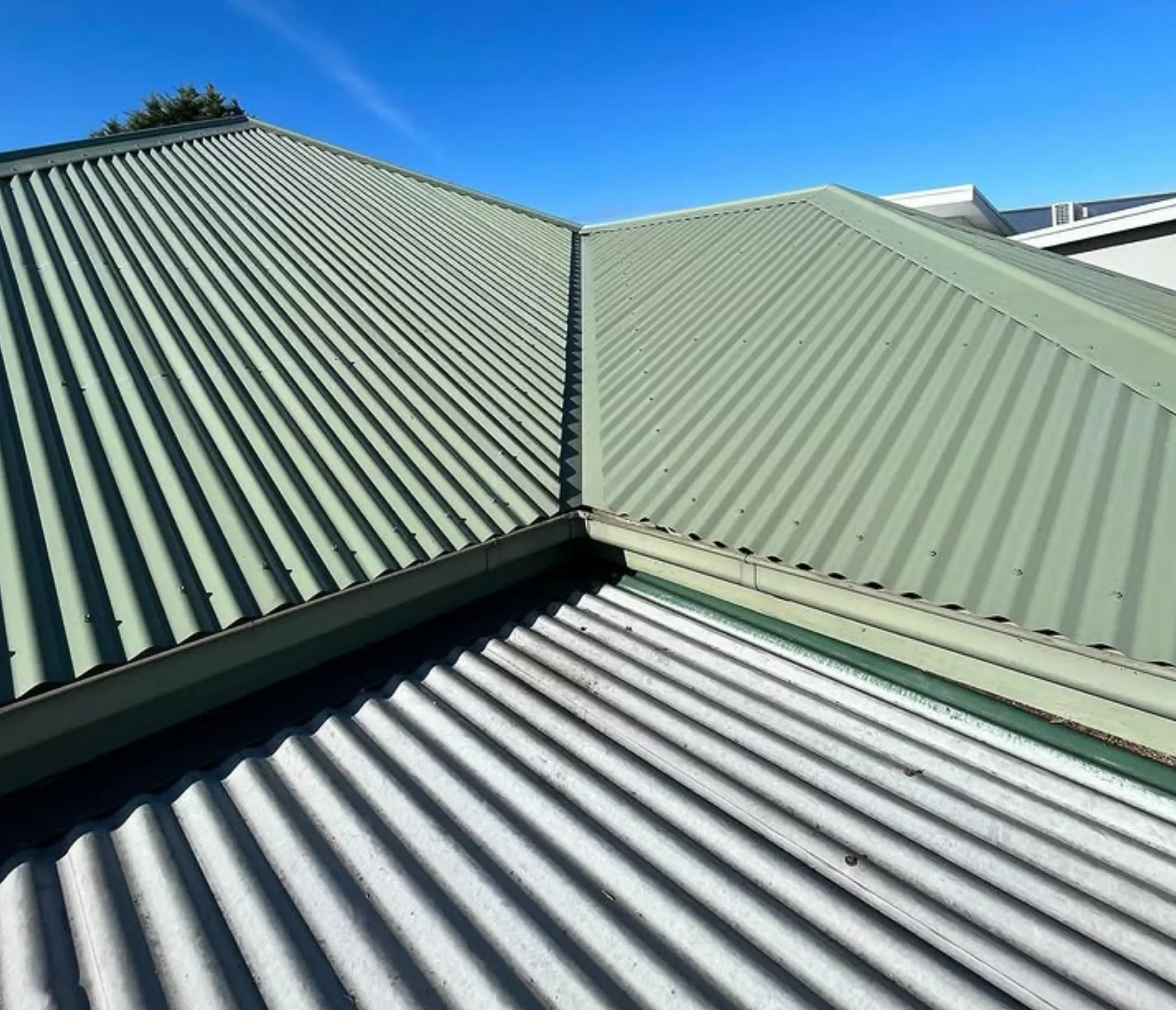
At Window Cleaning Melbourne Crew, we swear by soft washing for Colorbond roofing—it’s the safest and most effective way to go. Low-pressure water combined with eco-friendly detergent will get rid of all that grime without causing the slightest damage to the coating or roof materials.
We’ve seen it for ourselves. Roofs that get cleaned the right way stay looking their best, maintain their insulation performance, and their colour stays intact for years to come – unlike those blasted with high pressure, which quickly lose their shine. Plus, since soft washing doesn’t disturb roof vents or eave vents, your thermal insulation stays intact.
Safety Tips for Working at Heights
Working on a metal roof in the middle of a Melbourne storm is not for the faint of heart. We’ve seen strong gusts turn ladders into makeshift launch pads. That’s why our crew always uses harnesses, anchor points, and proper PPE when the conditions are rough.
We also always make sure to check the roof framing and support structure before stepping out on it. Rusted battens or weakened trusses can make the surface unsafe. If you’re not sure, just give professional roof installers or licensed cleaners a call. Don’t take any chances when it comes to heights or unpredictable weather.
Quick Checklist for Homeowners
- Inspect your roof every 6 months for signs of rust, dents, or leaks
- Keep the gutters clear to avoid excess water or pooling
- Check the paint or sealant for cracks and damage
- Get professional cleaning every 12-18 months
- Watch out for oil canning (that uneven surface ripples) – it’s a sign of stress and can be a problem
- Trim back any nearby trees to reduce shade and leaf litter
- Don’t walk on the panels if it’s wet or windy outside
FAQ
How long do Colorbond roofs typically last?
Generally, about 25-40 years with good maintenance. But coastal exposure or poor drainage can cut that lifespan down significantly.
Can a Colorbond roof actually rust?
Yes, they can – especially around screws, edges, or unsealed cut lines. Regular cleaning and proper coatings can go a long way in preventing rust spots and galvanic corrosion.
What is the best way to clean a Colorbond roof?
Soft washing with eco-safe detergents is the way to go. And please, avoid using pressure washers and harsh chemicals.
Is repainting or recoating worth it?
Absolutely, it is. Giving your roof a new protective coating can give it a new lease on life, restore its appearance, provide UV protection, and corrosion resistance.
How can I prevent roof leaks?
Just keep an eye on those fasteners, sealant, and flashings twice a year. Keep the gutters clear, and if you do see any drips or ceiling stains – give professional help a call and get it sorted out.