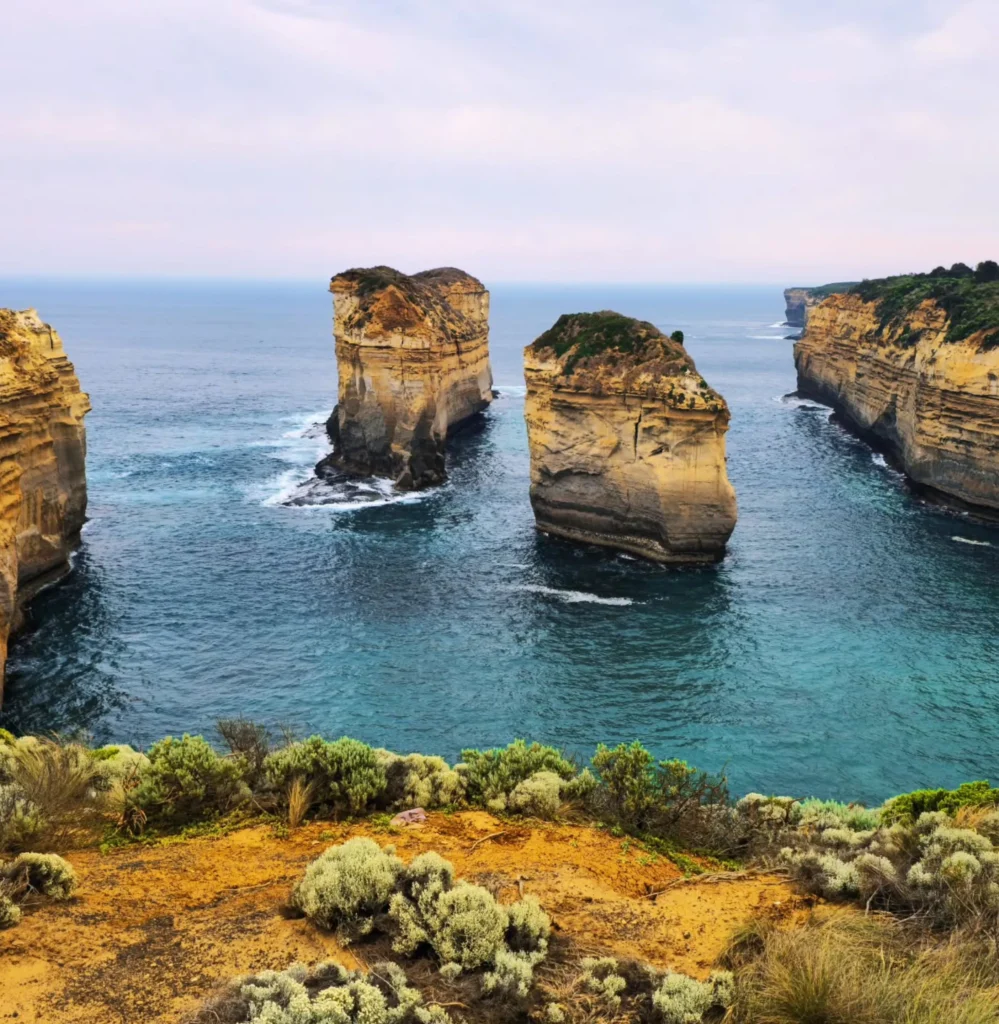
Few stretches of bitumen get the traveller’s heart racing like the Great Ocean Road. And just around the bend from Apollo Bay, where the rainforest starts to nudge the sea, comes a decision that’s tripped up many a driver before: do you keep going along the coast after Skene’s Creek or head inland through the Otways? I’m Paul Beames from Great Ocean Road Tours, and I’ve driven this road more times than I can count — from dawn patrols chasing surf breaks to busloads of backpackers asking, “Are we there yet?” So, let’s weigh up both options honestly — no glossy brochure talk, just proper road-trip intel.
Two Roads Diverge Beyond Apollo Bay
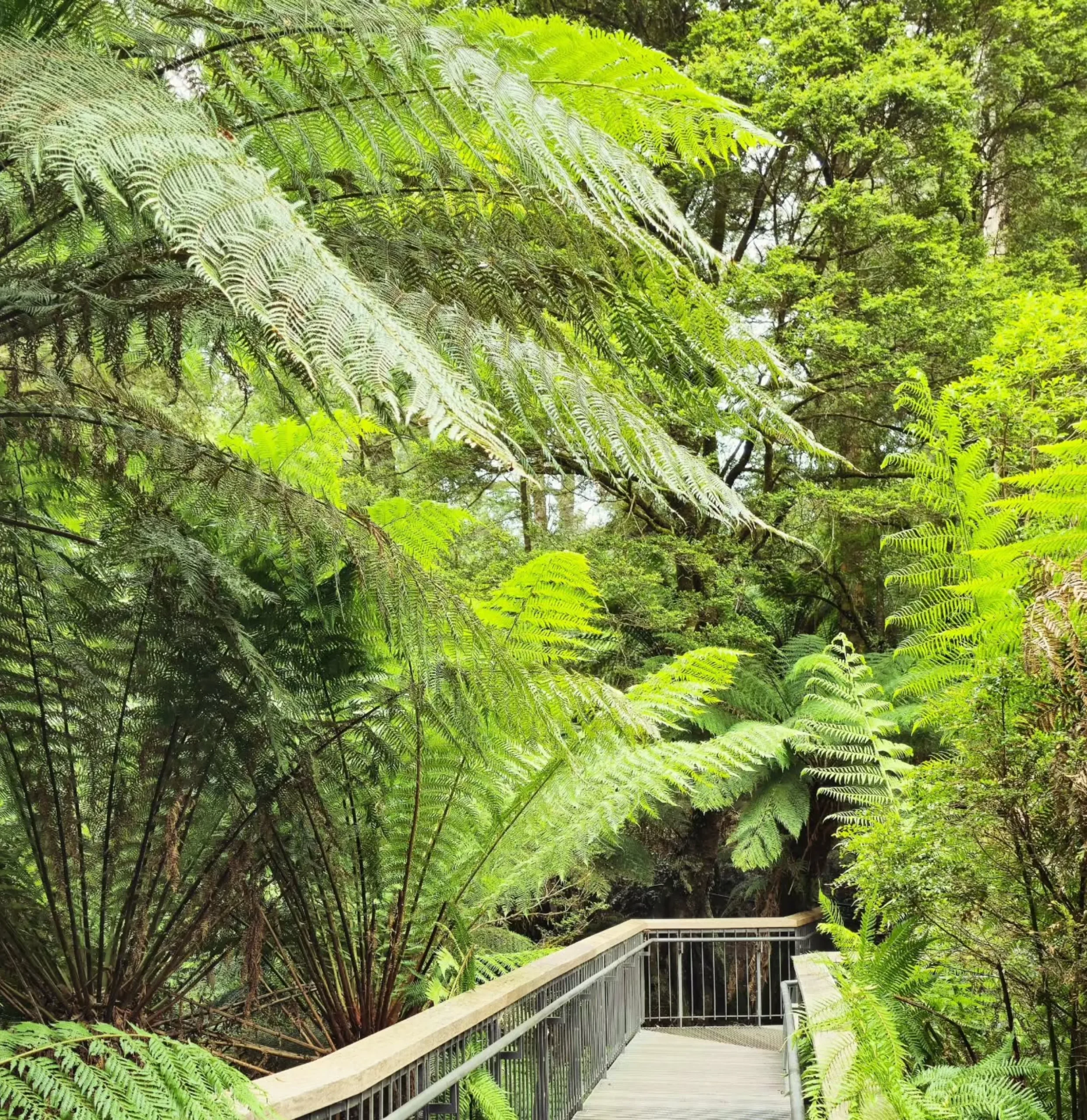
There’s no wrong turn here — just different flavours of adventure. Hugging the coast keeps you on the iconic route through Wattle Hill, Princetown and all the way to the Twelve Apostles. Swinging inland sends you under cool rainforest canopies, past waterfalls and along less crowded roads that whisper rather than shout.
Each has its charms, but knowing your timing, vehicle and travel goals will help you decide which way to go. If you’re joining a Great Ocean Road Tour, you’ll often find some guides combine both routes for the ultimate experience.
The Coastal Route: Keep the Ocean in Sight
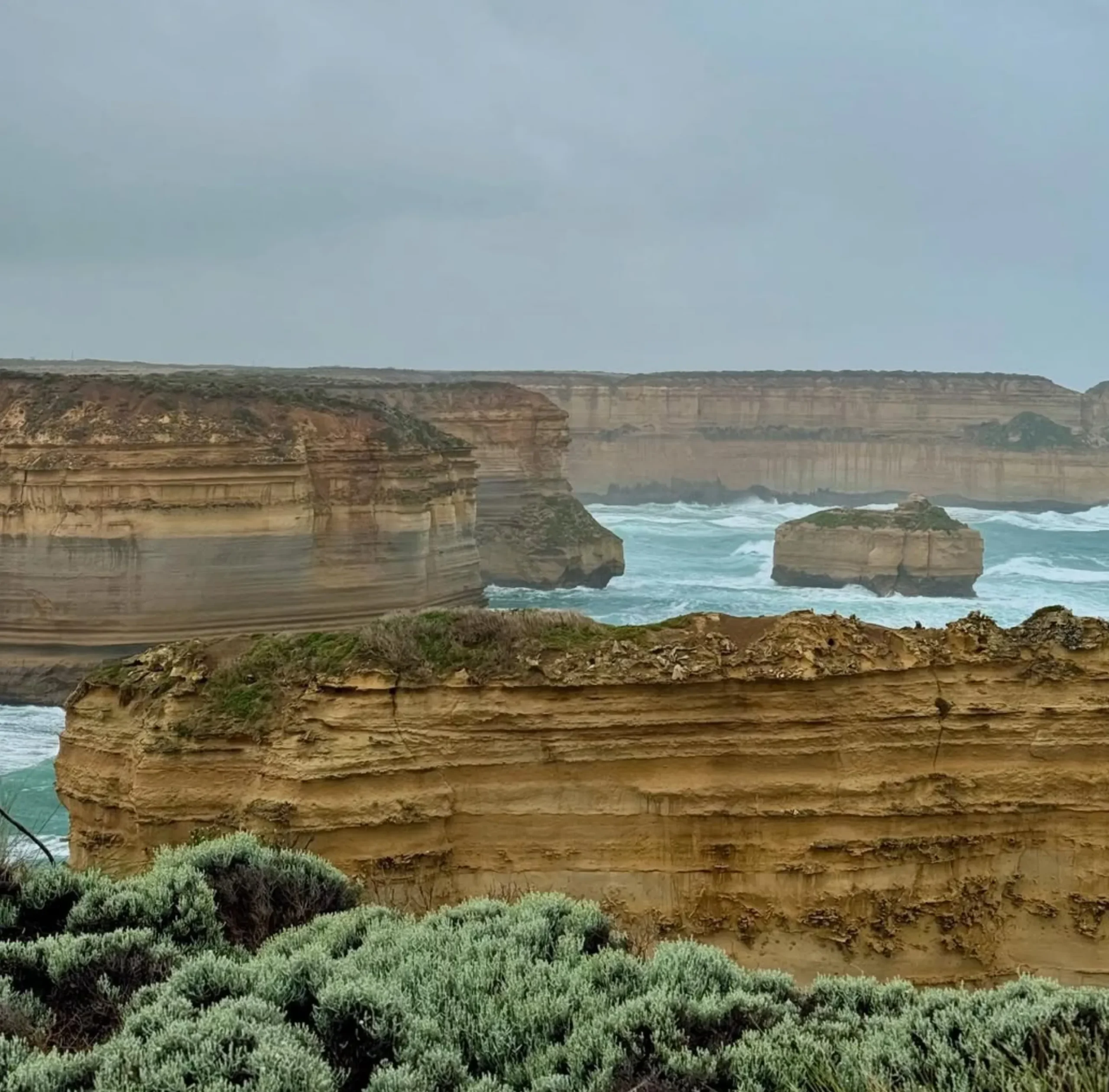
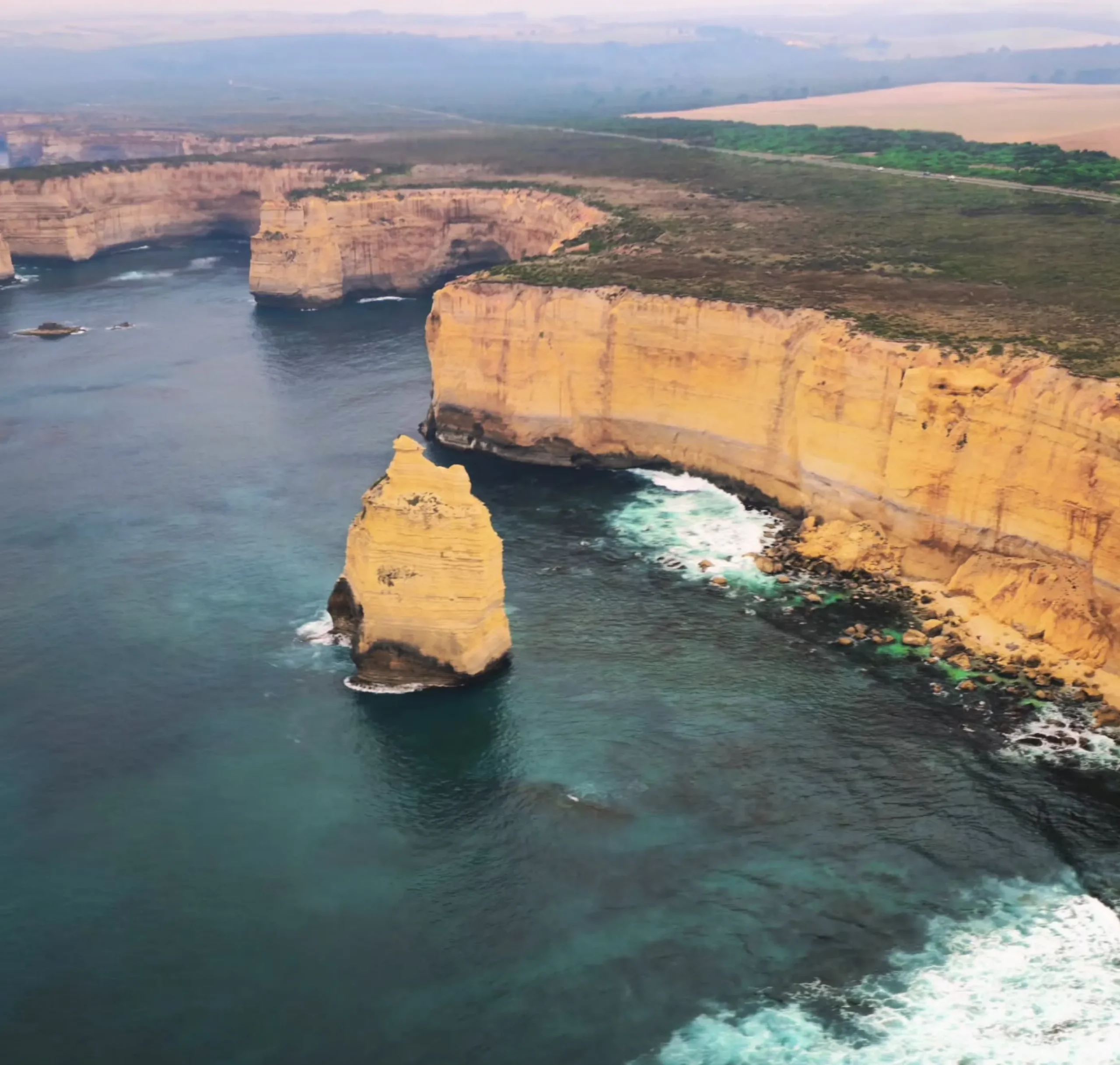
Staying on the coast after Skene’s Creek is what most first-time visitors do — and for good reason. It’s pure postcard material, though not without its quirks.
- Distance: ~110 km from Skene’s Creek to Port Campbell
- Driving time: 2.5–3 hours (without stops)
- Road type: Narrow, winding coastal asphalt
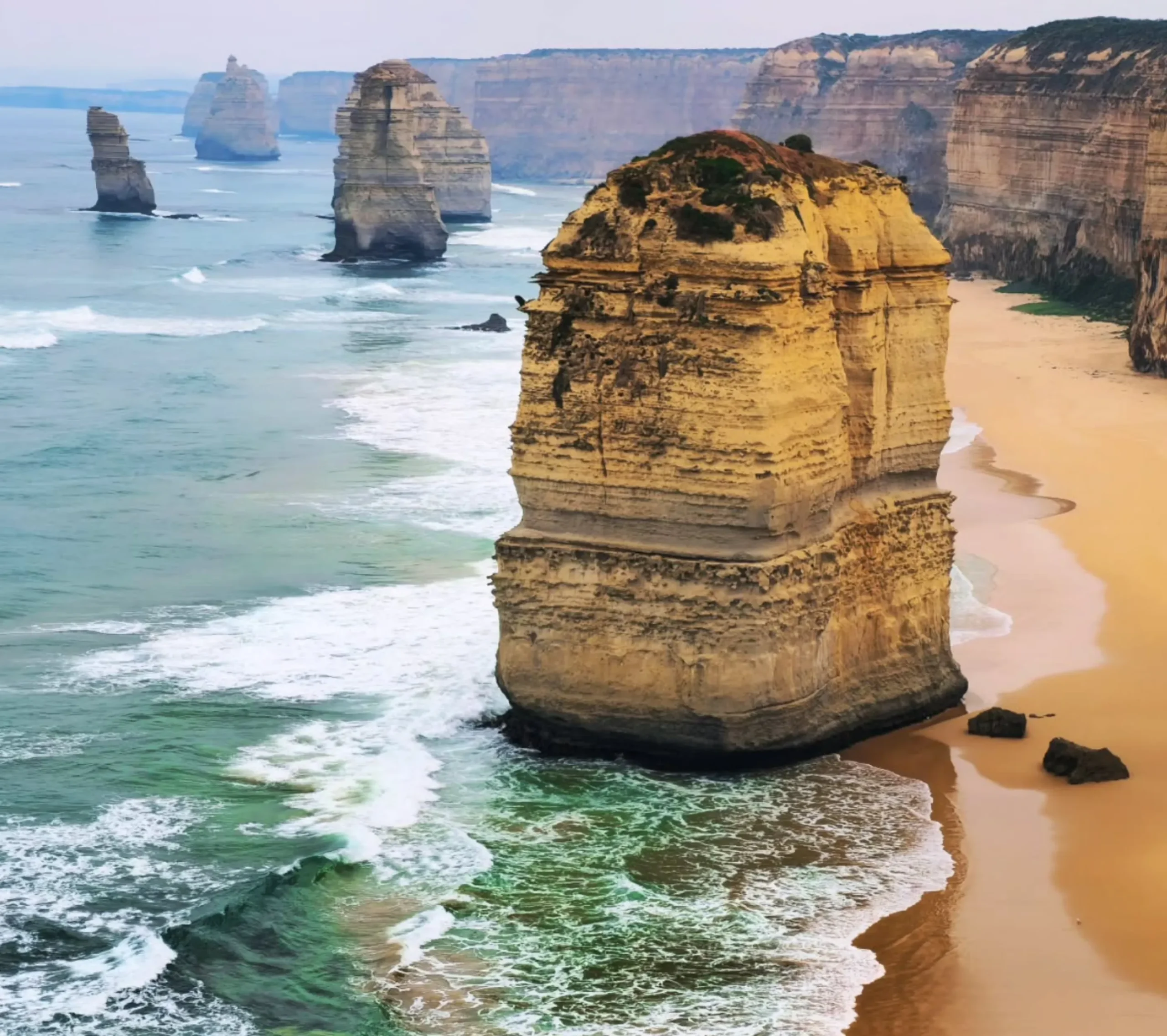
- Key stops: Cape Otway, Johanna Beach, Gibson Steps, Twelve Apostles
The ocean is on your left for most of the way, with winds strong enough to make you grip the wheel. Expect tourist convoys during peak times, especially around holiday weekends. But if you’re chasing that classic Great Ocean Road feeling — wind, salt, sandy beaches and surf in every glance — this is your road.
Tip: Castle Cove lookout. Where the surf meets the forest line — one of the few places where you’ll see the coast framed by the Otways behind you. Great Ocean Road Tourists often stop here for a quick snap before heading to the Cape.
The Inland Detour
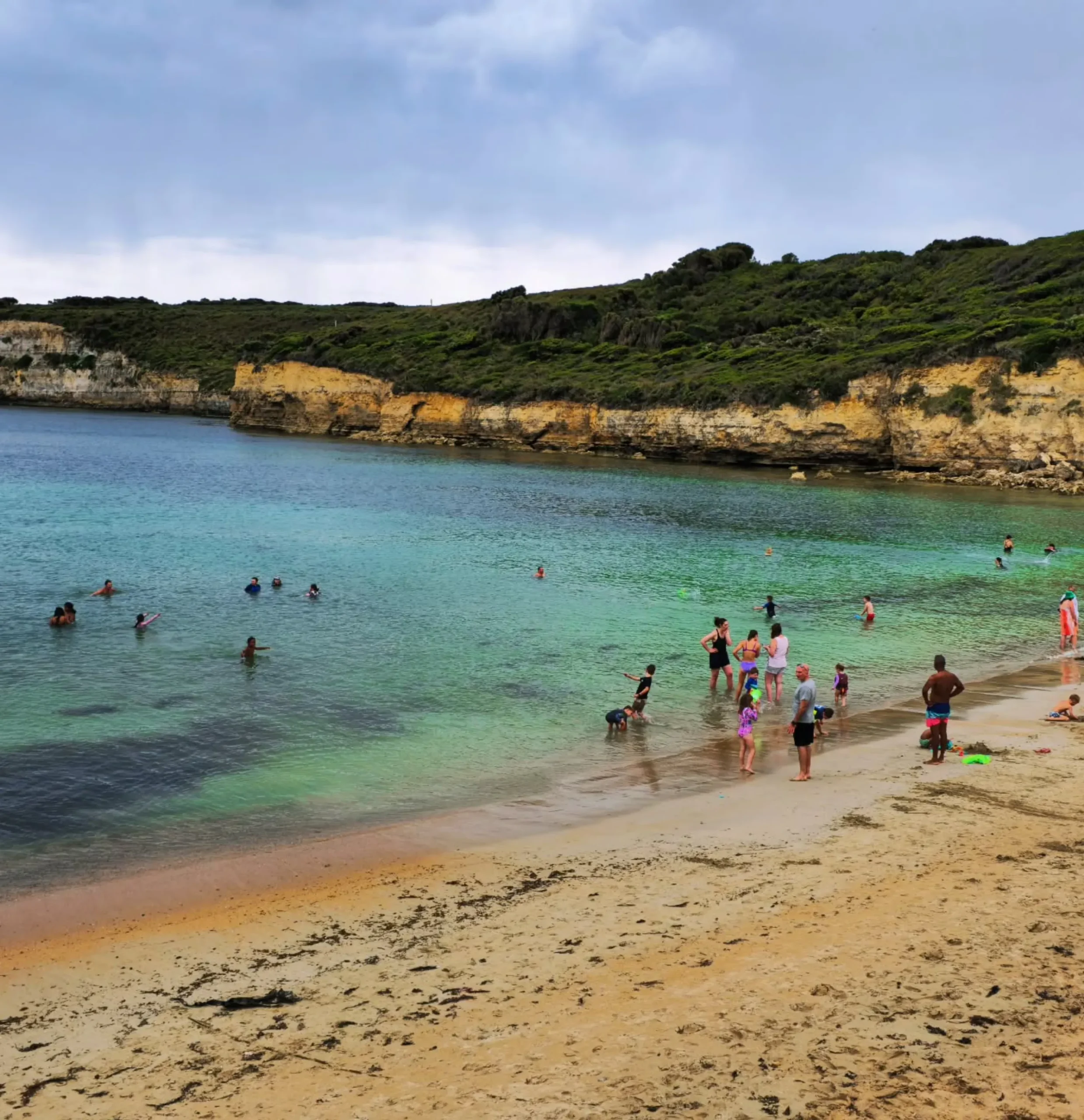
Switching up from the coast just past Skene’s Creek by taking the B100 to the C119 drops you straight into the wild heart of Great Otway National Park. Towering mountain ash trees, giant tree ferns and misty gullies set the scene. Add fewer cars, fewer crowds and a whole lot more peace and quiet.
- Distance: ~120 km via Beech Forest to Port Campbell
- Drive time: 3–3.5 hours with stops
- Road type: Narrow forest roads, often damp
- Key stops: Beauchamp Falls, Hopetoun Falls, Otway Fly, Gellibrand
This is the route for travellers who want to slow it right down. It’s cooler in summer, shaded, and far more likely you’ll hear a kookaburra than a horn. Just note: mobile coverage is patchy and GPS can lose its mind around Beech Forest — bring a proper map.
Paul’s note: If you’ve never heard a black cockatoo echo through misty gum valleys, this route will stick with you. There are also hidden side tracks and lesser-known waterfalls that don’t show up on big tour maps — even a Great Ocean Road tour can surprise you here.
Quick Comparison: Coastal vs. Inland Route
| Feature | Coastal Road (via Cape Otway) | Inland Road (via Beech Forest) |
|---|---|---|
| Distance | ~110 km | ~120 km |
| Drive time | 2.5–3 hrs | 3–3.5 hrs |
| Road conditions | Busy, winding, coastal views | Narrow forest roads, damp in winter |
| Main attractions | Twelve Apostles, Johanna Beach, Cape Otway Lighthouse | Beauchamp Falls, Otway Fly, Redwoods |
| Best for | First-time visitors and photographers | Repeat travellers and nature lovers |
| Facilities | More cafés, fuel and accommodation | Limited supplies between Apollo Bay & Gellibrand |
The Realities of Each Route
The road always looks prettier in a brochure. Here’s the real-world reality check.
Weather, Traffic and Safety
The Great Ocean Road attracts over 2.9 million visitors annually, and summer weekends can be chaotic. Locals often pull over to let traffic pass — it’s the Aussie way and keeps tempers down.
Inland, expect fog, fallen trees and slippery leaf litter after rain, especially in winter. Two-wheel drives are fine, but you’ll need to take it steady.
Tip: Check VicEmergency before heading out. Bushfires and roadworks pop up regularly from December to February.
Wildlife and Road Hazards
Coastal road: Wallabies and seabirds around dusk near Johanna Beach.
Inland road: Koalas, echidnas and the occasional wombat. Cute — until they step into your headlights.
Take it slow and respect wildlife. Most Great Ocean Road tour guides know safe pull-over spots for viewing without causing chaos.
What You’ll Miss (and Gain)
Stick to the coast: Iconic cliff shots and surf views, but you’ll miss the quiet Otway waterfalls.
Go inland: Fewer dramatic cliffs, but towering trees, fern-lined trails and deep forest calm.
If time allows, do both — inland to Lavers Hill, then rejoin the coast near Princetown. Forest mornings, fish and chips by dusk.
The Best of Both Worlds: Two-Day Loop
Day 1: Skene’s Creek → Beech Forest → Lavers Hill
- Beauchamp Falls (30-minute return walk)
- Otway Nourished Café in Gellibrand
- Otway Fly Treetop Walk
- Overnight at Johanna Beach campground (permit required)
Day 2: Lavers Hill → Princetown → Port Campbell
- Detour to Melba Gully
- Twelve Apostles by mid-afternoon
- Dinner in Port Campbell
This loop delivers sea spray, eucalyptus scent and forest hush in one trip — a standout option on many Great Ocean Road Tours.
Seasonal Timing
Summer: Hot and busy, inland routes feel cooler.
Autumn: Crisp air, fewer crowds and balanced conditions.
Winter: Misty forests, roaring surf, slippery roads.
Spring: Wildflowers inland, whales offshore.
Paul’s call: Autumn hits the sweet spot.
Local Culture and Conservation
Both routes cross lands of the Gadubanud people. Take time to read cultural signage at Cape Otway and Maits Rest — it’s real history, not filler.
Great Otway National Park is a key conservation zone. Stick to tracks, pack out rubbish and avoid campfires in summer. Operators like Great Ocean Road Tours actively promote responsible travel.
Real-World Costs and Travel Prep
| Item | Average cost (AUD) |
|---|---|
| Fuel (small car) | $70–$90 |
| Campsite | $15–$30 |
| Meals / cafés | $40–$80 per person |
| Otway Fly entry | $30 adult |
| Cape Otway Lighthouse | $25 adult |
Reflections on the Long Way
So — coast or inland after Skene’s Creek? Honestly, do both if you can. The Great Ocean Road is a living, breathing story of ocean and forest. And if you’d rather relax, jump on a Great Ocean Road Tour and let someone else handle the driving.
FAQ
Is the inland road suitable for caravans?
Yes between Beech Forest and Lavers Hill, but expect narrow and steep sections.
Which route gives better Twelve Apostles views?
Only the coastal road passes directly by the Apostles.
Is mobile coverage reliable?
Coverage is patchy inland. Carry offline maps.
Can I drive both routes in one day?
You can, but two days is far more relaxed.
Where can I fuel up?
Fuel is available at Apollo Bay, Lavers Hill and Port Campbell. Don’t rely on Beech Forest.