Southern lights hotel

Australia is a real treasure trove when it comes to national parks. Over 1.4 million hectares of breathtaking wilderness are protected Down Under. And every square centimetre is bursting with diversity. The range of natural spectacles awaits you here, from rugged rocky gorges to red desert landscapes and ancient rainforests.

And let’s not forget the overwhelming number of rare and beautiful animal species to marvel at. Out of over 500 national parks nationwide, I’ve dug up ten real gems for you. So what are you waiting for? Lace up your hiking boots, pack your provisions and go to the top national parks in Australia!

Table of Contents

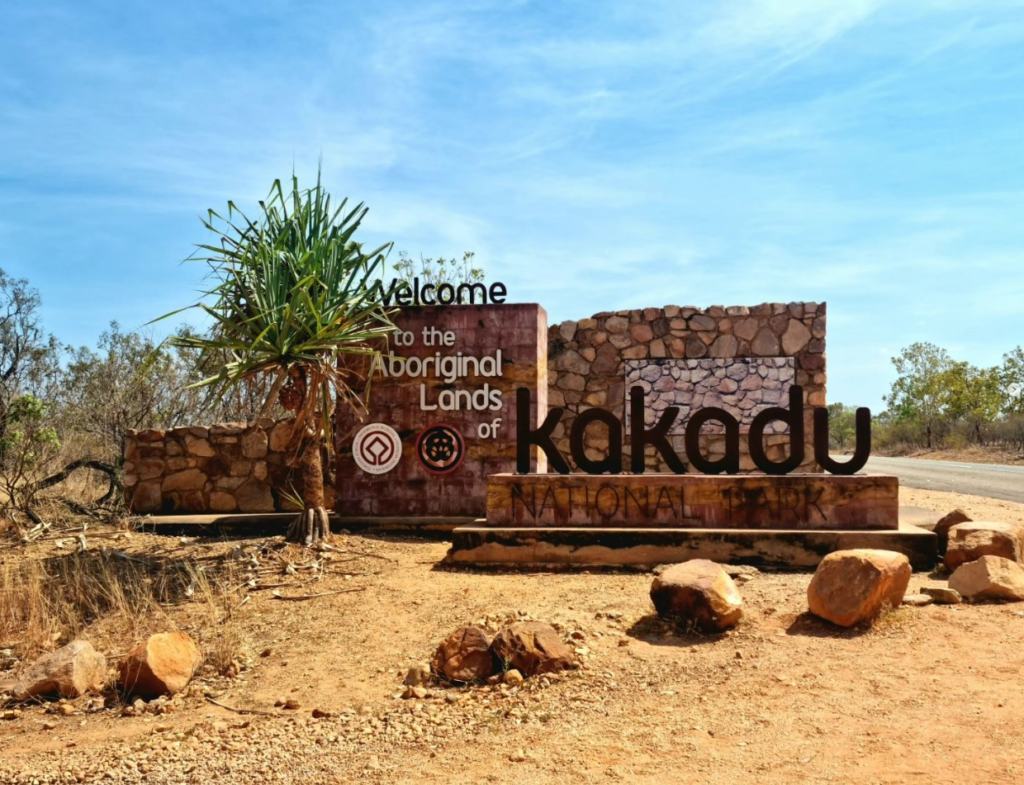
Kakadu National Park

Kakadu National Park

Kakadu National Park is one of Australia’s most popular and frequent national parks. It offers an impressive landscape and an overwhelming variety of fascinating animals and plants.

In addition to snakes and crocodiles, the park is home to many bird species. They feel particularly at home in the humid, rocky forest landscape. In summer, the many rivers and billabongs give the impression of a fairytale world of pulsating abundance, while the country is characterised by the monsoon throughout.

Here, you can still admire ancient rock and cave paintings by the indigenous people or be enchanted by the unique flora on a hike to the numerous waterfalls. You might even be lucky to spot one of the many freshwater crocodiles lurking here. But don’t get too close! 

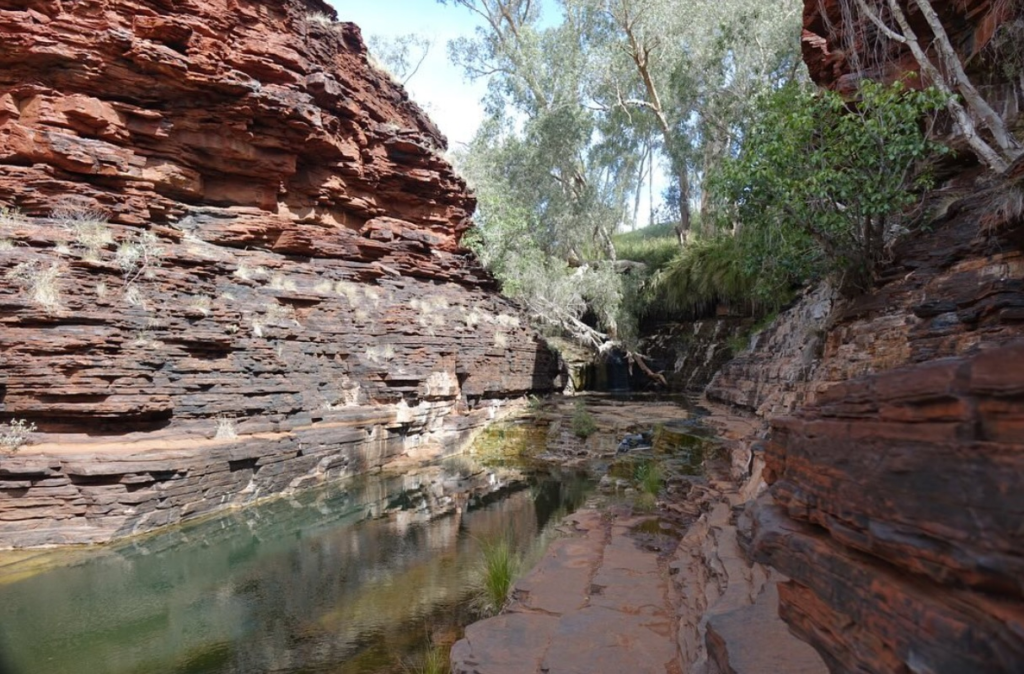
Karijini National Park

Karijini National Park

Another park on my list is a true paradise for outdoor sports enthusiasts. Karijini National Park is a great place for hiking and climbing, and the spectacular rivers and gorges are also ideal for canyoning fans. The 1250-metre-high Mount Meharry offers an exciting challenge for experienced mountaineers. This park is also a favourite destination for golfers.

Karijini is Australia’s second-largest national park, and large parts of the area have not yet been developed. It is a real retreat for animals and hermits. The easiest way to reach the park is via the Great Northern Highway, but I recommend a powerful four-wheel-drive vehicle to get around the park, as there are mainly gravel tracks here.

The dusty, dry landscape is best explored in winter when the temperatures climb to more pleasant levels. The thundering Fortescue Falls are a must-see on your trip to Karijini National Park

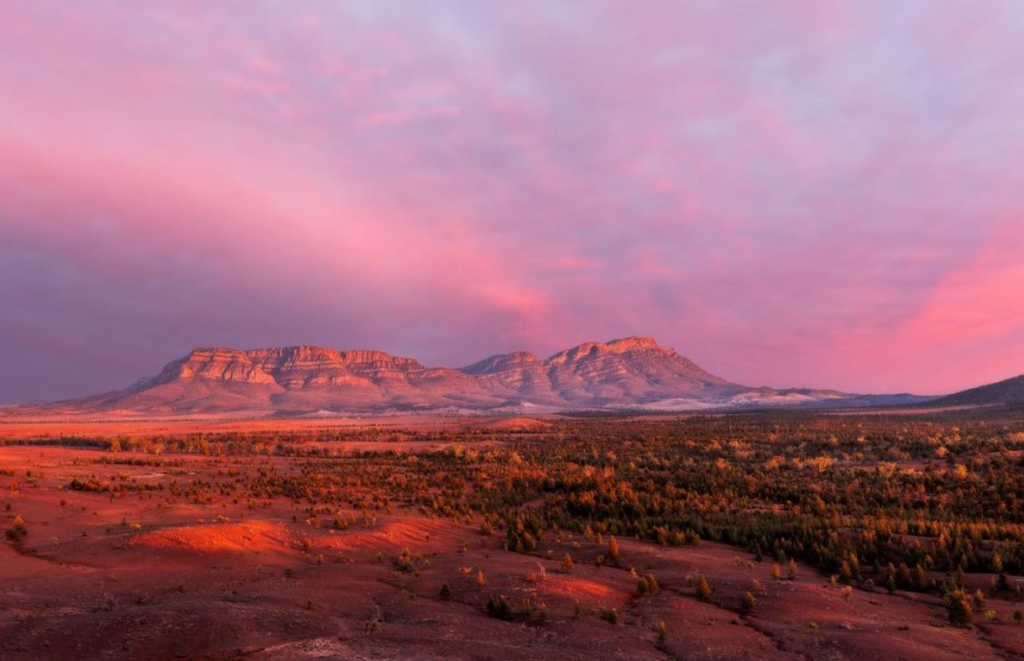
Flinders Ranges National Park

Flinders Ranges National Park

If you want to observe wild kangaroos, emus and parrots, I recommend the Flinders Ranges National Park. This park also offers unique hikes through magnificent mountain ranges and dramatic gorges.

Particularly spectacular: the natural amphitheatre “Wilpena Pound”. Or you can join one of the guided jeep tours and go on a kangaroo safari with experienced rangers. However, a large part of this park is only accessible on foot, as you can still find authentic Australian bushland with everything that goes with it.

Nature fans love this part of the park because of the rare wildflowers that grow here in abundance. Hardly any other park represents typical Australian nature as impressively as the Flinders Ranges

Port Campbell National Park

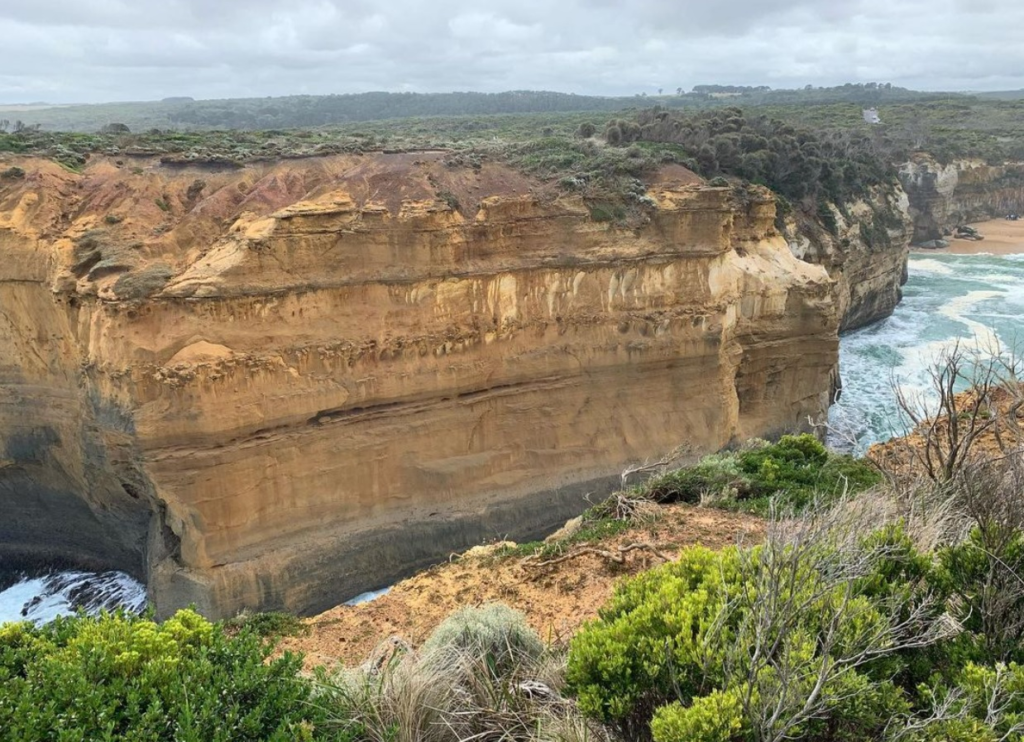
Further south in the state of Victoria lies Port Campbell National Park. The drive to this natural paradise is a real experience, as it takes you through marvellous scenery along the famous Great Ocean Road. And the name says it all.

See also  West Coast Australia

Enjoy stunning views of Australia’s southern coastline, where impressive rock formations rise from the sea and let the imposing waves crash against their jagged walls. The most famous limestone formations are the so-called “Twelve Apostles“, which rise majestically from the sea.

Another highlight is that numerous species of seabirds nest in Port Campbell National Park, including cute penguins. Secluded beaches invite you to take secluded walks and become the setting for spectacular sunsets every evening. You can reach Port Campbell by car from Melbourne in three to four hours. 

Daintree National Park

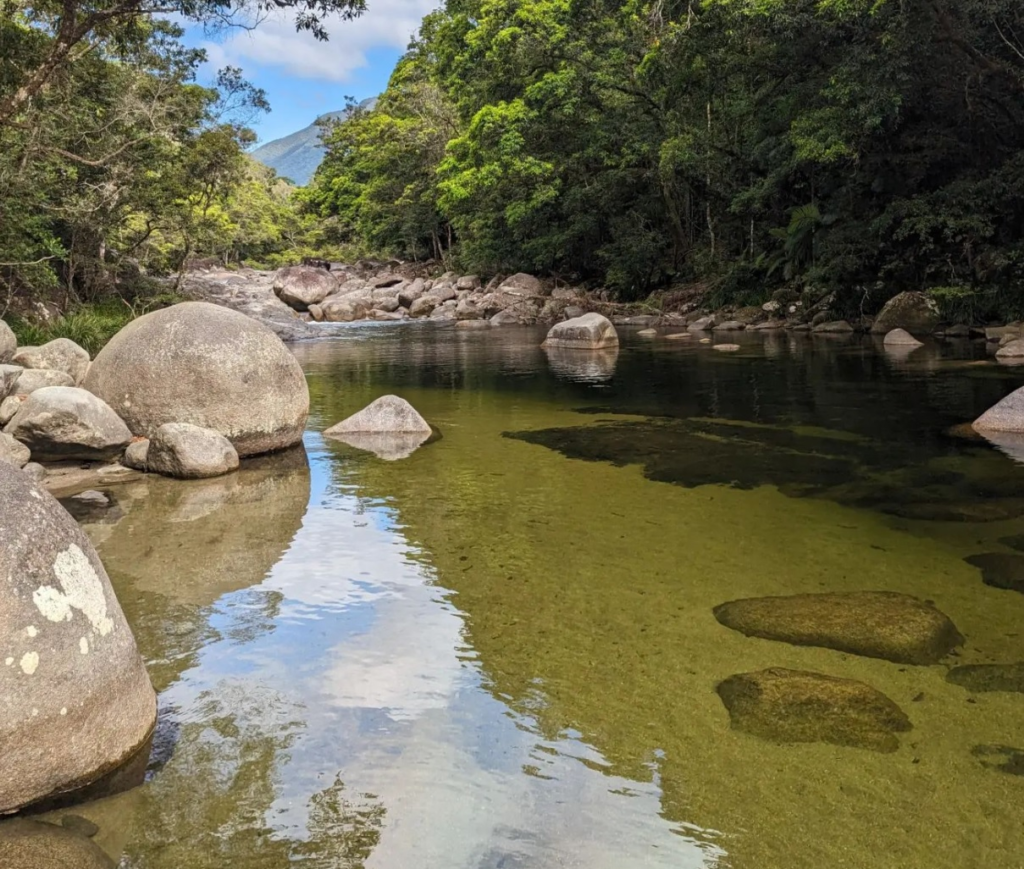
The Daintree National Park is the oldest tropical rainforest in the world. The dense mangrove forest is home to various plants and animals. With some luck, you might spot rare tree kangaroos and cassowaries here.

You can explore the rainforest on foot along the area walkway or paddle along the Daintree River by boat. You must join a guide who knows the area, as some rainforest inhabitants can be more dangerous than others. There’s still a bit of a thrill, though, as the Daintree River is home to many freshwater crocodiles.

If you fancy a beach, you should visit the Cape Tribunal. This is where the rainforest meets the vast beaches of the Great Barrier Reef, a diver’s paradise. You can snorkel in the bathtub-warm water and take in the vibrant underwater world. Or you can laze around on one of the perfect white sandy beaches before returning to the rainforest. 

Blue Mountains National Park

Blue Mountains National Park

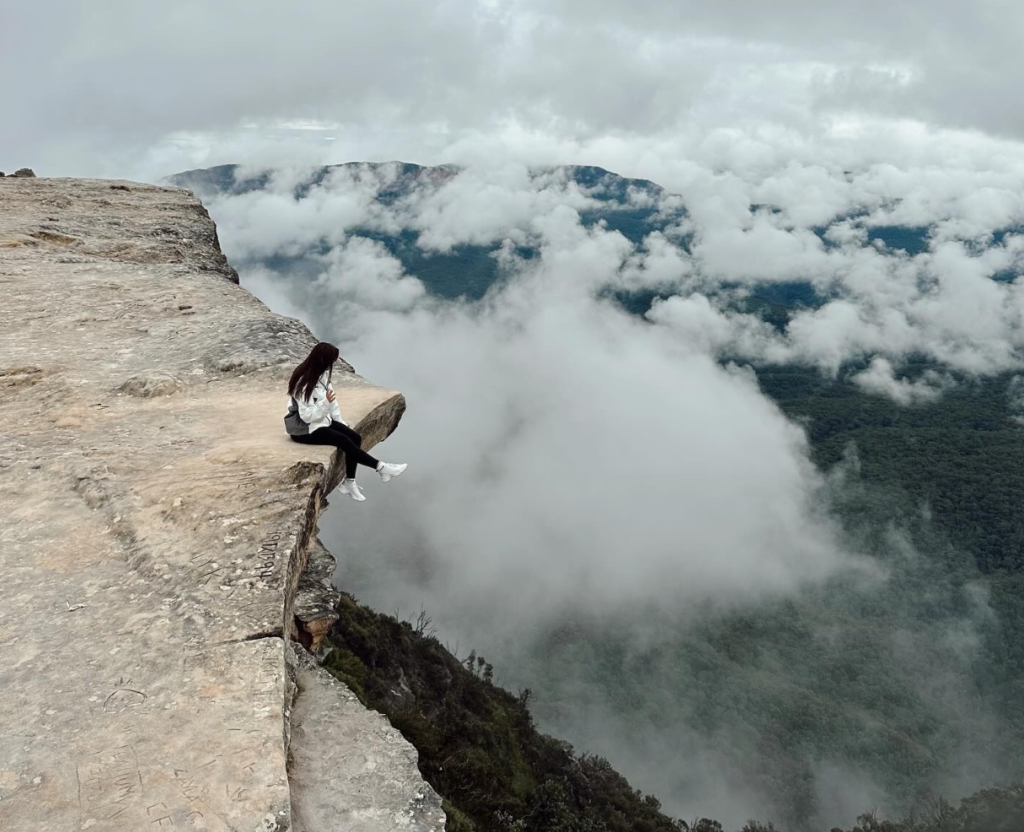
The Blue Mountains National Park in New South Wales is one of Australia’s most beautiful national parks and is particularly easy to reach from Sydney. Here, you can overlook the stunning mountain landscape from one of the numerous lookouts and discover why the mountain range bears its name.

Evaporated oils rise from the vast eucalypt forests as a blue mist over the hills, spreading their wonderful scent. An absolute highlight of this area is the “Three Sisters“, a rock formation you can admire from several vantage points.

According to legend, the three rocks are women from an ancient tribe who wanted to marry men from another village. However, this wish led to a quarrel between the two towns, and a shaman had to turn the women into mountains for their protection while the fighting raged.

Whether the protector died in battle or could no longer undo the spell for some other reason, the three sisters remained in their rock form forever. Apart from this legend, the Blue Mountains National Park is also a paradise for sports enthusiasts who want to hike, cycle, and climb there.  

Kalbarri National Park

Kalbarri National Park

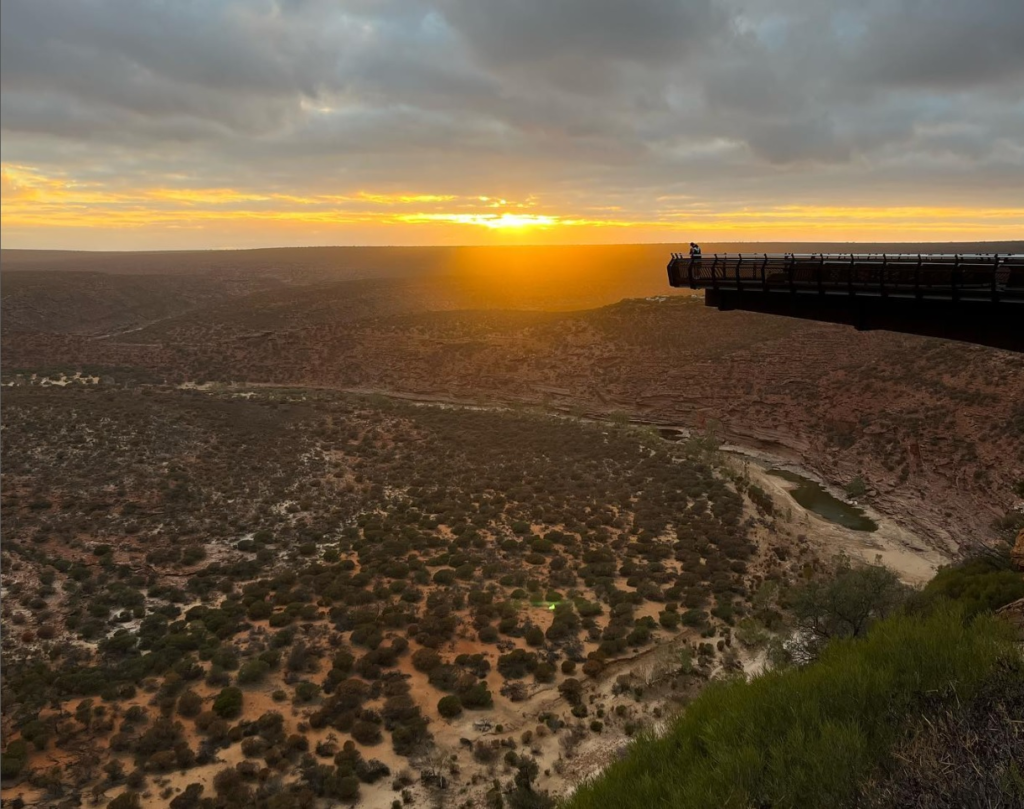
The clear advantage of Kalbarri National Park in Western Australia is its well-developed infrastructure. Well-developed roads and easily accessible sights allow you to explore this fascinating rocky landscape in the Kalbarri by car.

With its wild, desert-like plains and jagged red mountain formations, the park combines all the characteristics of an actual adventure world. There are deep gorges of reddish sandstone and unusual rock formations to marvel at.

See also  What Is The Biggest Problem With Colorbond Roof?

Of particular note is the photogenic “Nature’s window,” a circular hollowed-out rock face offering a view of the endless expanse of the red desert. It is a perfect location for a few extraordinary photos.

You can easily cross the park on the North-West Coast Highway. However, I still recommend that you occasionally pull over and take a short detour to the deserted beaches on the western coast or climb one of the many magnificent viewpoints on foot. It’s worth it! 

Uluru-Kata Tjuta National Park

Uluru-Kata Tjuta National Park

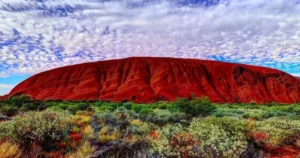
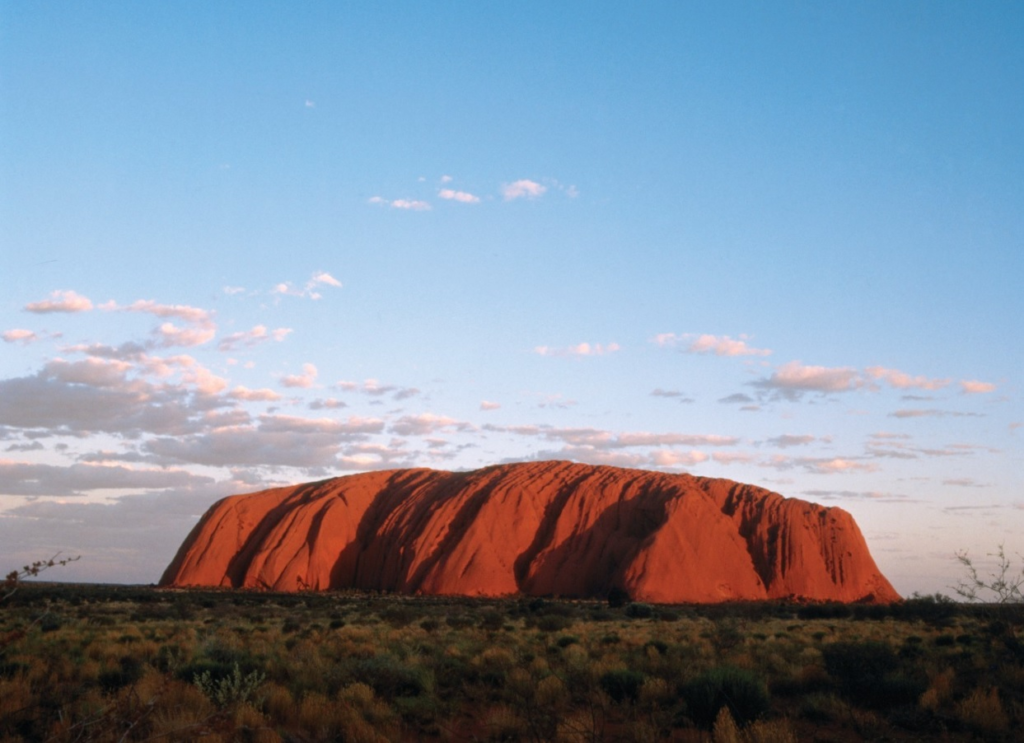
Uluru-Kata Tjuta National Park should not be missing from any list of beautiful national parks in Australia! Here, you can experience a classic outback adventure through the rust-coloured plains on your way to Uluru – Australia’s most famous landmark.

The 348-metre-high rock is not only the most photographed object in northern Australia but also a 550 million-year-old relic and, as such, a sacred site for the Aborigines. The UNESCO World Heritage Site is reached via the Lasseter Highway, 440 kilometres south of Alice Springs.

Once you’re there, I highly recommend a guided Aboriginal tour. Here, you will gain exciting insights into the life and traditions of the indigenous population. And be sure to visit Kata Tjuta. The rock formation may not be as impressive as Uluru, but it is worth visiting!

Wilsons Promontory National Park

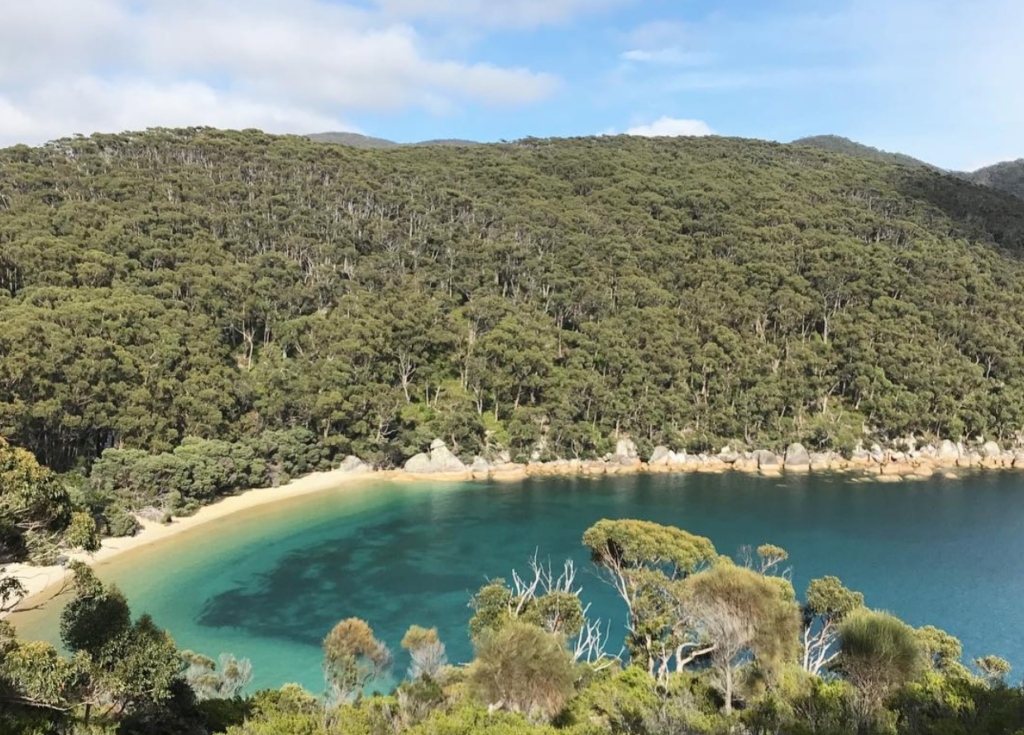
The following Australian national park on my list is a must for beach lovers and water sports enthusiasts. In the south of Australia, Wilsons Promontory National Park spoils you with adventurous coastlines, kilometres of beaches and romantic bays. Surfers and divers particularly appreciate Australia’s south coast.

But you can also experience a lot of it inland. For example, discover wombats and parrots on a hike through dense fern forests. Or enjoy an overwhelming view of the park and the sea from the 560-metre-high Mount Oberon viewing platform.

Or maybe you want to savour a little togetherness in a deserted bay sheltered by rocky crevices. The national park is a real all-rounder. You can even camp in Wilson Promontory, but only at the designated campsites. I recommend that you book a pitch in advance. 

Franklin-Gordon Wild Rivers National Park

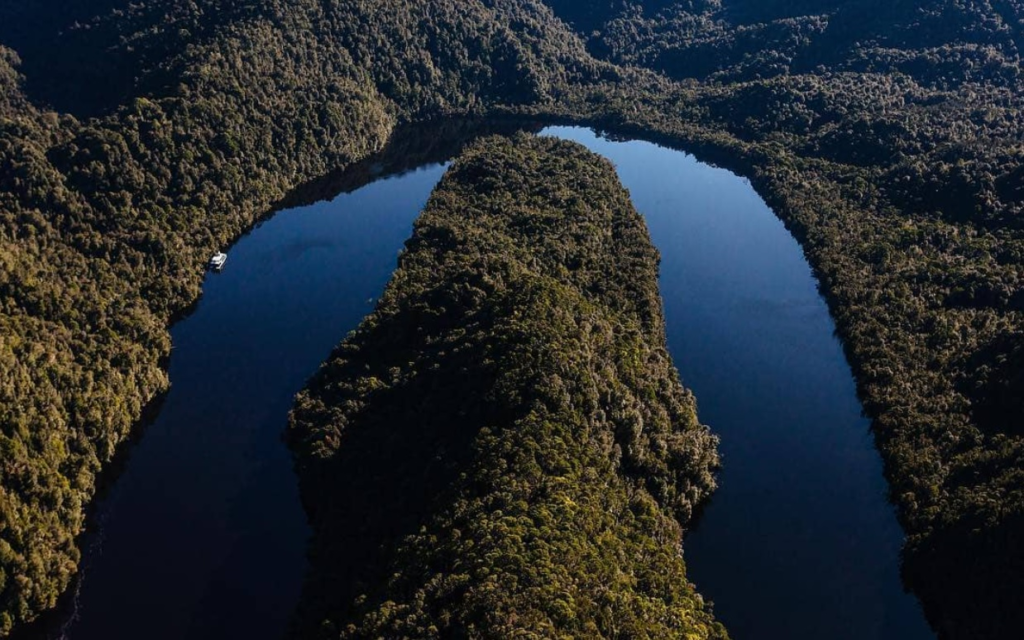
My final candidate on the list of top national parks in Australia will make you want to leave the mainland and head to Tasmania’s wild and beautiful island, where a unique nature park protects a precious piece of rainforest.

Franklin-Gordon Wild Rivers National Park is named for the two rivers bordering the rainforest area. The only way to reach the park is by boat, either along the Franklin River or the Gordon River.

The more adventurous take this as an opportunity to indulge in a wild rafting tour through the unspoilt expanses of the forest. The park is also particularly popular with hikers, who appreciate the well-marked hiking trails. Once in Franklin-Gordon, overgrown peaks, wide gorges and fertile river valleys await you.

Popular articles
Great Ocean Road Otways drive
Continue Along the Coast After Skene’s Creek or Drive Inland?

Few stretches of bitumen get the traveller’s heart racing like the Great Ocean Road. And just around the bend from Apollo Bay, where the rainforest

See also  Must-Try Wines on Your Winery Tour
Read More »
signs of roof damage
How To Know If A Roof Is Bad?

Most homeowners don’t notice anything’s wrong until a roof leak starts dripping through the plasterboard. That’s why knowing how to know if a roof is

Read More »