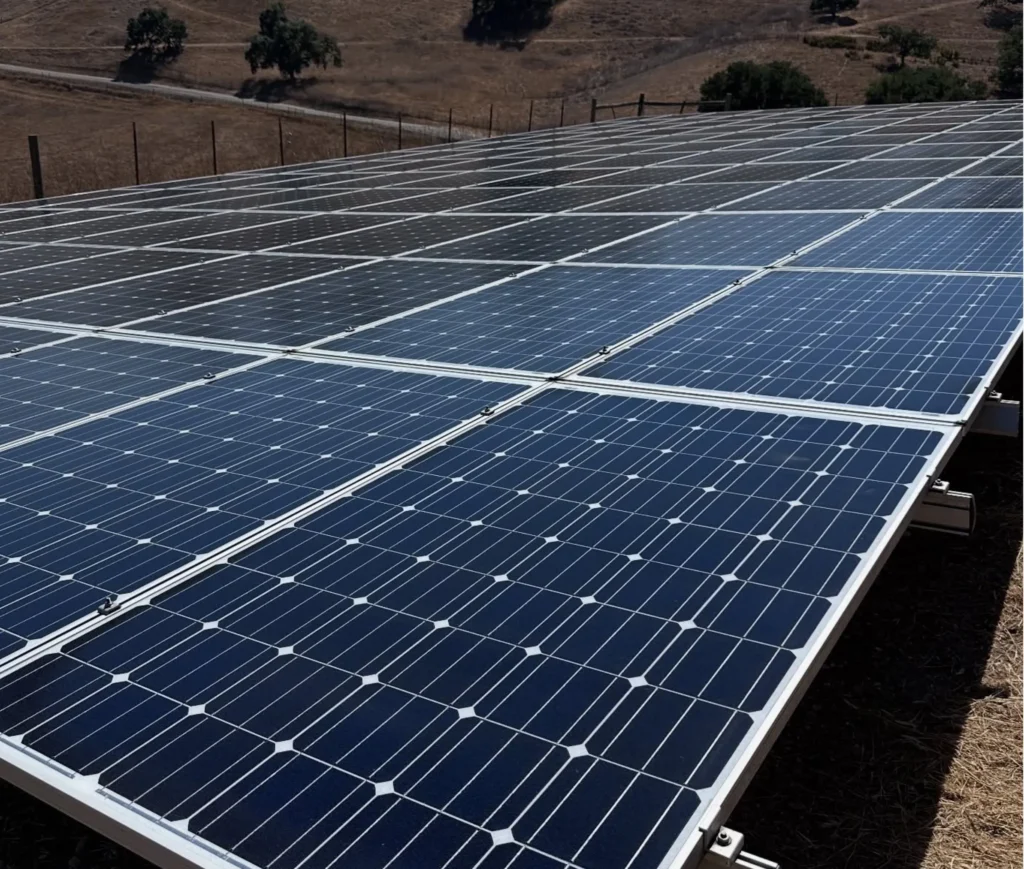
Ever wondered how to turn off solar panels for cleaning without getting zapped or voiding your warranty? You’re not alone. At Window Cleaning Melbourne Crew, we get asked this all the time — from smart homeowners who want safe, efficient solar panel cleaning in Alamein that won’t mess with their solar power setup. Solar panels make clean solar energy easy, but when it comes to cleaning, a bit of caution goes a long way.
When you’re working with electricity, water and a rooftop solar PV system, safety isn’t optional — it’s mandatory. Here’s the complete, no-bull guide to switching off your solar panel system before you clean.
Why Switching Off Matters
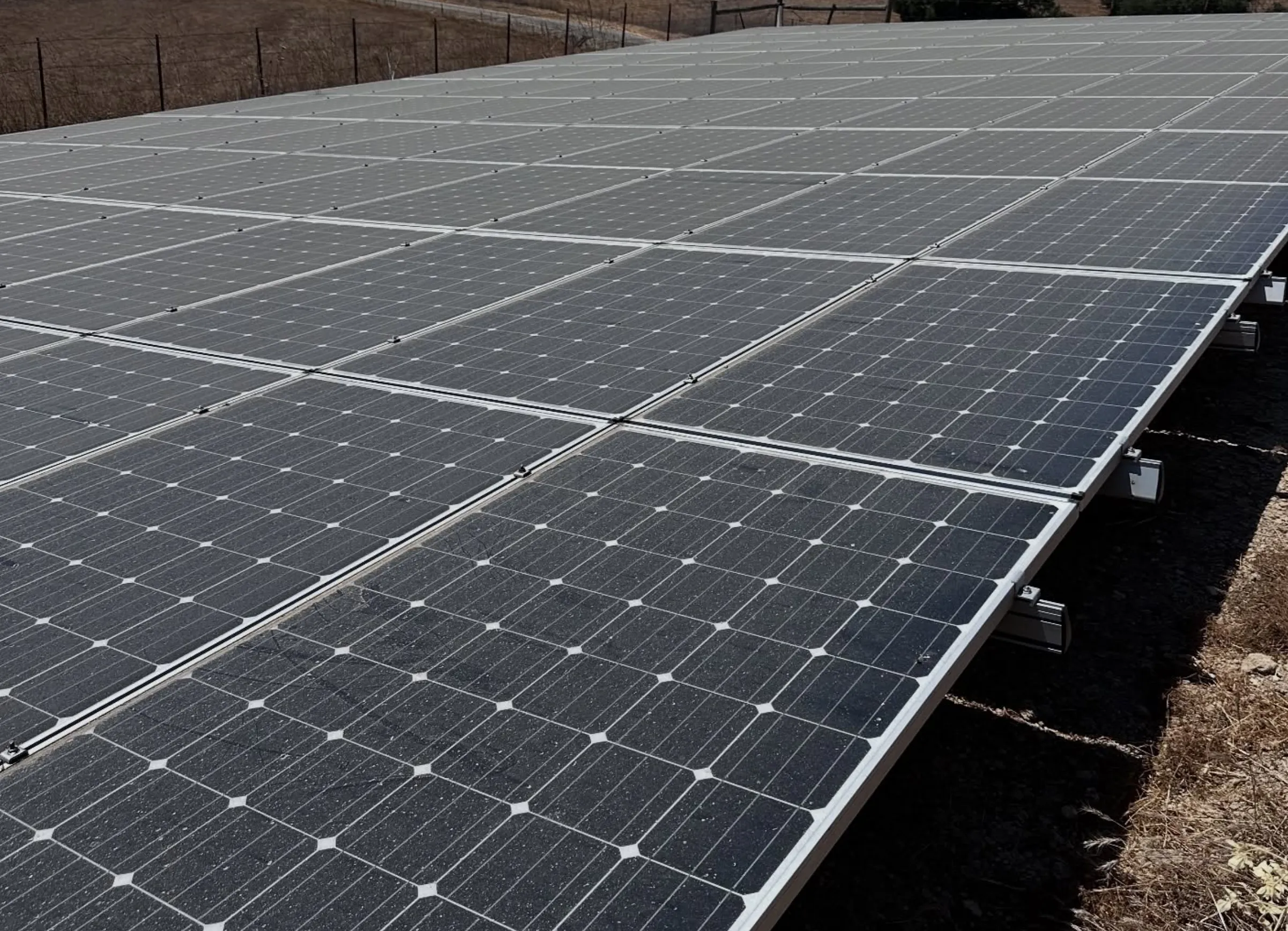
Your panels are basically live photovoltaic cells that generate electricity whenever sunlight hits them — even on cloudy days. That means water and electricity are not a mix you want to experiment with. Switching off the solar supply main switch before cleaning helps avoid electrical hazards and keeps both your inverter and roof wiring safe.
It’s also part of Australian safety standards. If you don’t do this step, you could void your warranty or damage your solar energy system breakers. For anyone doing maintenance — whether it’s a solar repair specialist or DIY homeowner — safe isolation is the first move.
In short:
- Water on live panels can give you an electrical shock.
- A wet solar AC isolator can short out or corrode.
- Ignoring shutdown rules can void your warranty or cause a fault.
How To Power Down Safely
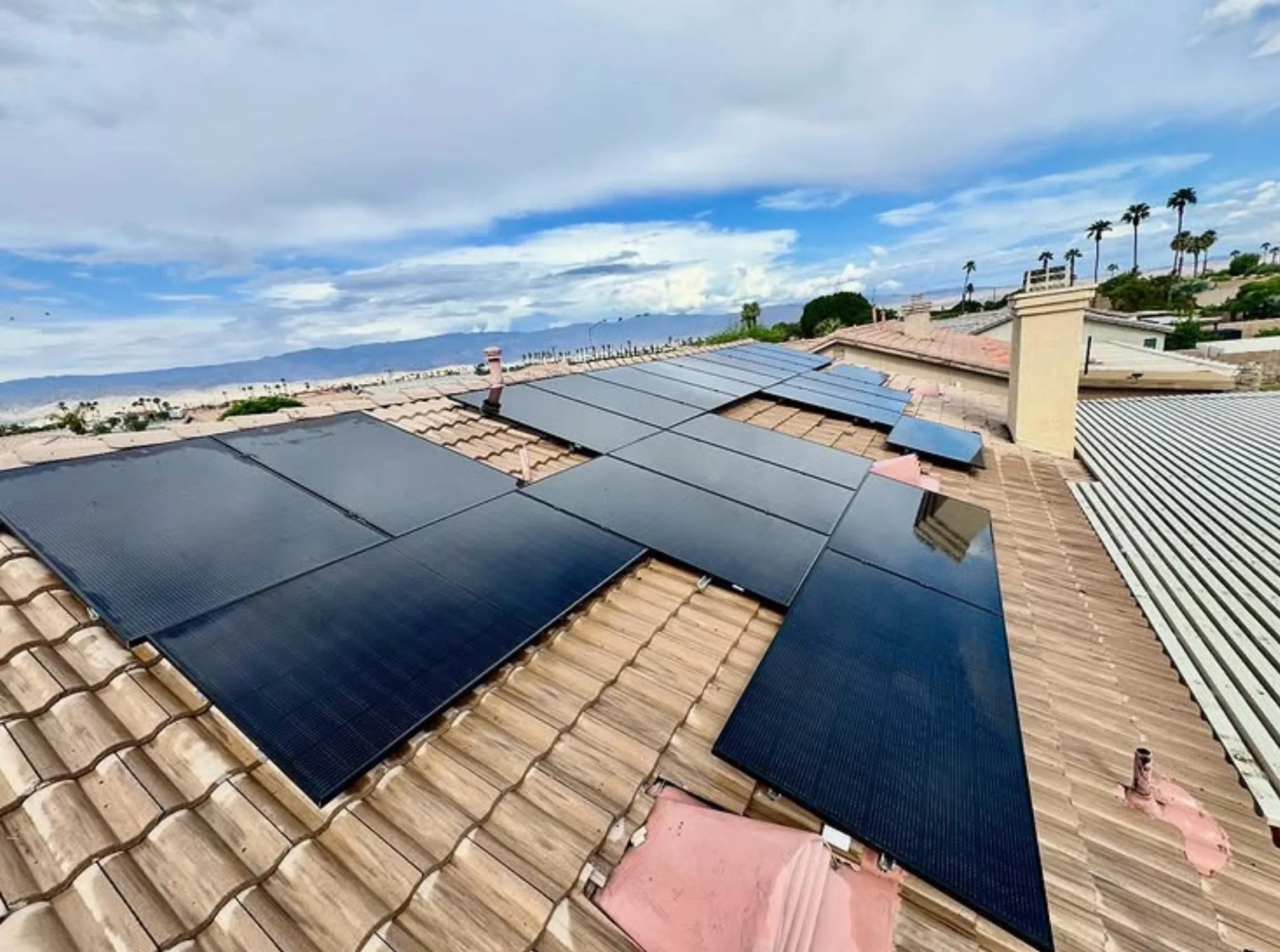
Every solar setup is different, but most Australian systems are similar: a rooftop array, an inverter (usually near your switchboard), and a few isolator switches. Here’s the safe, general process we use on the job.
| Step | What To Do | Why It Matters |
|---|---|---|
| 1 | Switch off the inverter. | Stops DC–AC conversion in your solar energy system. |
| 2 | Turn off the AC isolator switch (near the inverter). | Disconnects your solar power from the household electrical grid. |
| 3 | Turn off the DC isolator (rooftop or inverter-mounted). | Fully isolates the panels from the system. |
| 4 | Turn off the solar supply main switch at your main electrical service panel. | Adds a layer of protection for you and your solar batteries. |
| 5 | Wait 5–10 minutes. | Let’s discharge residual charge safely. |
Pro Tip – if you’ve got a System installed under Clean Energy Council rules, it’s got to display a clear shutdown label. If yours doesn’t, get a local solar electrician to come have a look.
The Risks Of Cleaning Without Switching Off
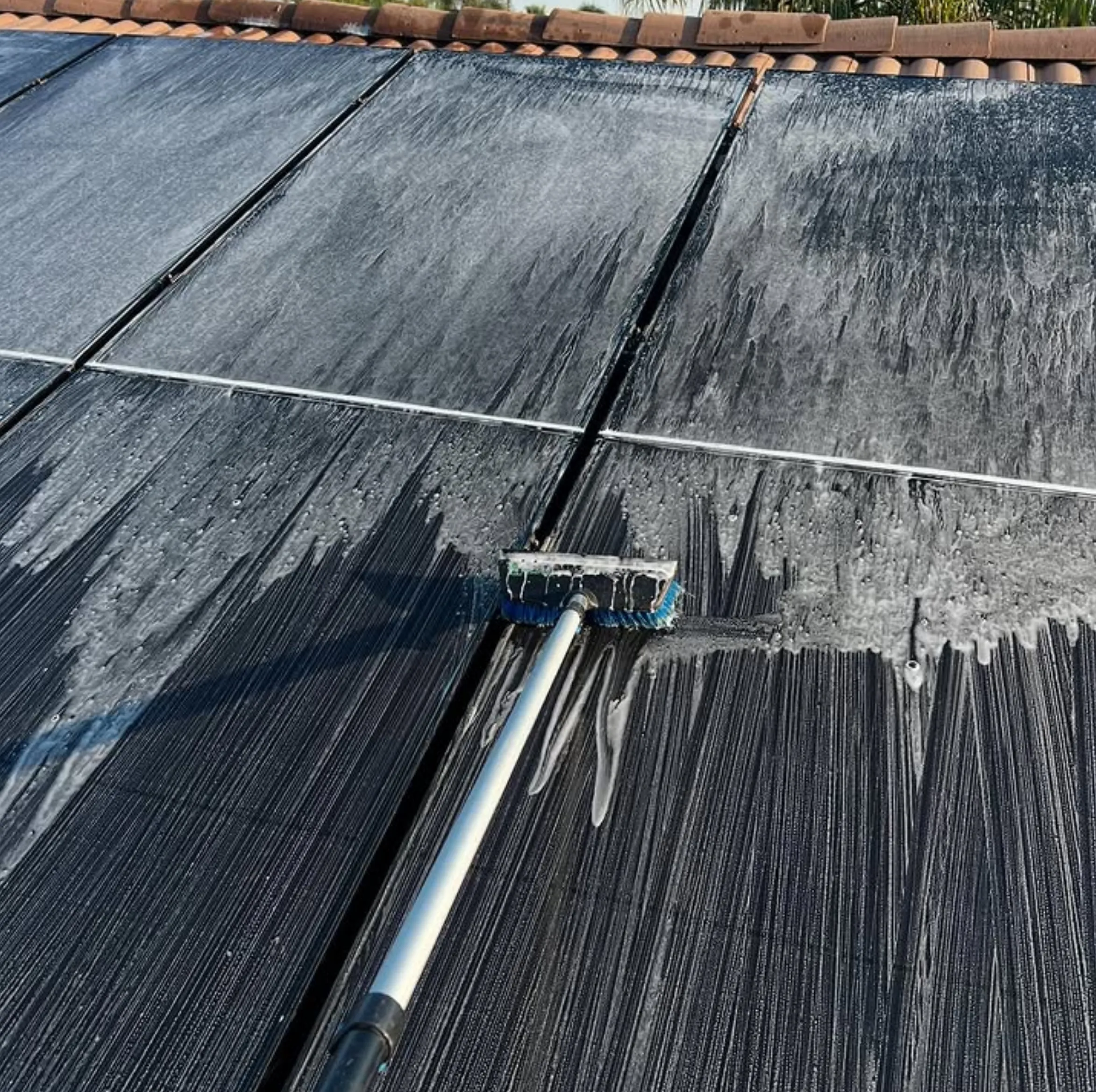
You’ve probably seen it happen: someone grabs a hose & just sprays away the bird droppings, gets a tiny shock & thinks nothing of it. But the thing is, even though the panels appear off, they can still be holding voltage—that’s why those safety protocols exist. They’re there to keep you and the system safe.
If you just ignore all the proper shutdown procedures, you’re taking a risk:
- you could get a nasty electrical shock from live connectors.
- you might end up with water damage to your solar backup battery or your inverter.
- or – worst case – you might even get micro-cracks in your panels from the thermal shock, which’ll cost you a small fortune to repair later.
Even a quick squirt of water from the hose can create stray currents if your solar AC isolator isn’t properly sealed. Don’t mess around with water & electricity – it’s a recipe for disaster, and can burn out cables or trigger your emergency solar management system to shut everything down on you.
How To Turn Everything Back On Again
So you’ve cleaned your panels, now you just have to wait 10-15 minutes for them to dry out before you can switch everything back on. Follow the steps to switch your solar energy system back on again:
- Switch the DC isolators back on.
- Now fire up the AC isolator switch.
- and finally switch the inverter back on.
- and last of all switch on the solar supply main switch.
Your inverter display should light back up, rejoin the grid & start logging all that net metering data again. And if you’ve got solar batteries, check your monitoring app to make sure charge cycles are all working as they should. If you are unsure, your local solar electrician can use a multimeter to check that the voltage is safe.
Common Mistakes Homeowners Make
Over the years, we’ve seen some pretty silly things – literally – when it comes to cleaning solar panels. Here are the common errors people make:
- forgetting to switch off the DC isolator or AC isolator switch,
- spraying cold water on a hot panel (thermal shock can crack the glass),
- standing on the panels or frames (damaging those internal photovoltaic cells),
- using household cleaning stuff on your solar panels (you should only use approved cleaning solutions),
- and not wearing any proper safety gear – like gloves, a harness or insulated shoes.
One bloke in Essendon tried using a solar panel wiper on his roof while the panels were live, & let’s just say his inverter wasn’t happy about it—it ended up calling a solar repair specialist to sort everything out.
Why Pros Handle It Faster (And Safer)
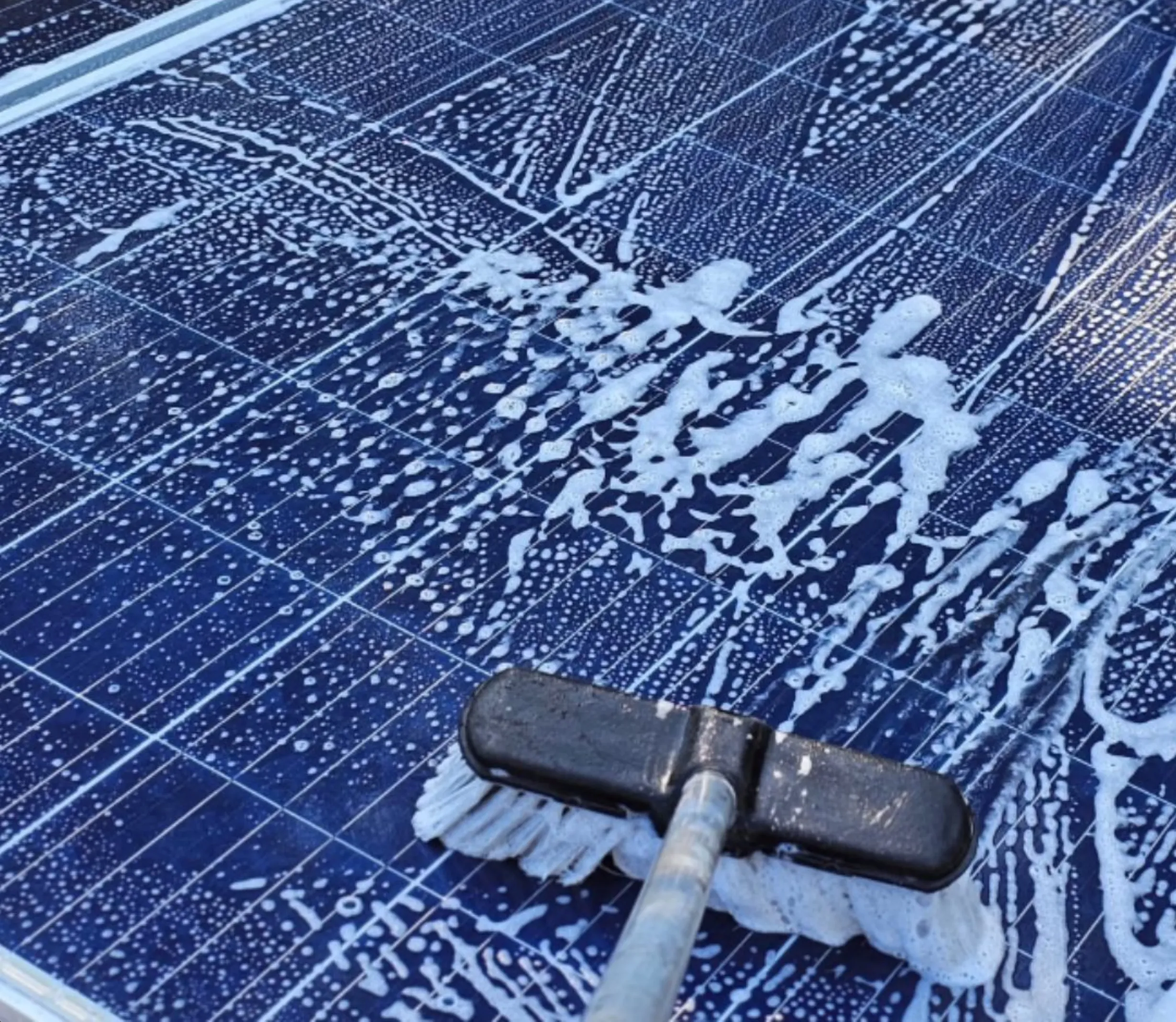
At Window Cleaning Melbourne Crew, we’re equipped with the right gear and trained to give your solar panels a thorough cleaning – all without you risking your neck by climbing onto the roof. Our team uses insulated poles, filtered water and soft brushes to do the job safely. Plus, we’re fully insured and have been trained in solar energy maintenance to Australian safety standards.
There’s also the added benefit of hiring pros over trying DIY—we avoid all the trial-and-error risks and know how to safely disconnect the solar supply main switch and the inverter, deal with local council regulations for roof access, and ensure that the solar supply main switch and the solar energy system breakers are appropriately reconnected.
Clean panels can increase efficiency by up to 25%, especially in coastal areas like Melbourne, where bird droppings and salt spray can accumulate quickly. It’s free power just waiting to be harnessed.
Eco-Friendly Tips

You don’t have to break the planet to keep your solar panel systems clean. Here’s how:
- We recommend using soft, de-ionised water or a gentle cleaning solution, not the kind that will harm your solar panel seals.
- Give high-pressure cleaners a miss – they will only damage your seals and coatings.
- Clean your panels early in the morning or late in the evening to prevent the glass from cracking.
- Collect any runoff to prevent detergent from going down the storm drains.
- Wipe with a microfibre cloth – never an abrasive pad.
We’ve noticed that in areas like Alamein, solar panel cleaning often involves dealing with fine dust and pollen from nearby parks – both of which can reduce solar efficiency by up to 10% if left uncleaned. A quick rinse every few months keeps your solar PV system performing like new without wasting water or energy.
Regular solar energy maintenance helps stop the build-up of dirt and grime that forces your system to work harder. A clean array means better solar power generation, longer component life, and fewer emergency callouts for the solar panel repair guys.
FAQ
Do I really need to turn off my solar panels before cleaning?
The short answer is, yes, you do. Even a little sunlight can produce a current, and that means you should shut down all isolators and the solar supply main switch to prevent any electrical hazards.
Can I clean my solar panels myself?
You can if you follow all the safety protocols and shut the system down properly. Otherwise, call in a licensed solar electrician or let a professional do it for you.
How often should I clean my solar panels?
Depends on your roof, but generally, every 6-12 months should do it. More often if you’ve got bird droppings or heavy dust building up.
What kind of water or cleaning solution do I use?
Pure or de-ionised water is best – avoid any chemicals that can damage your seals or the photovoltaic cells.
Can I get electrocuted while cleaning solar panels?
If you don’t shut down the system properly, then yes, you are at risk of getting a nasty shock. Always turn off the AC isolator, DC isolator and main solar supply switch before you start.